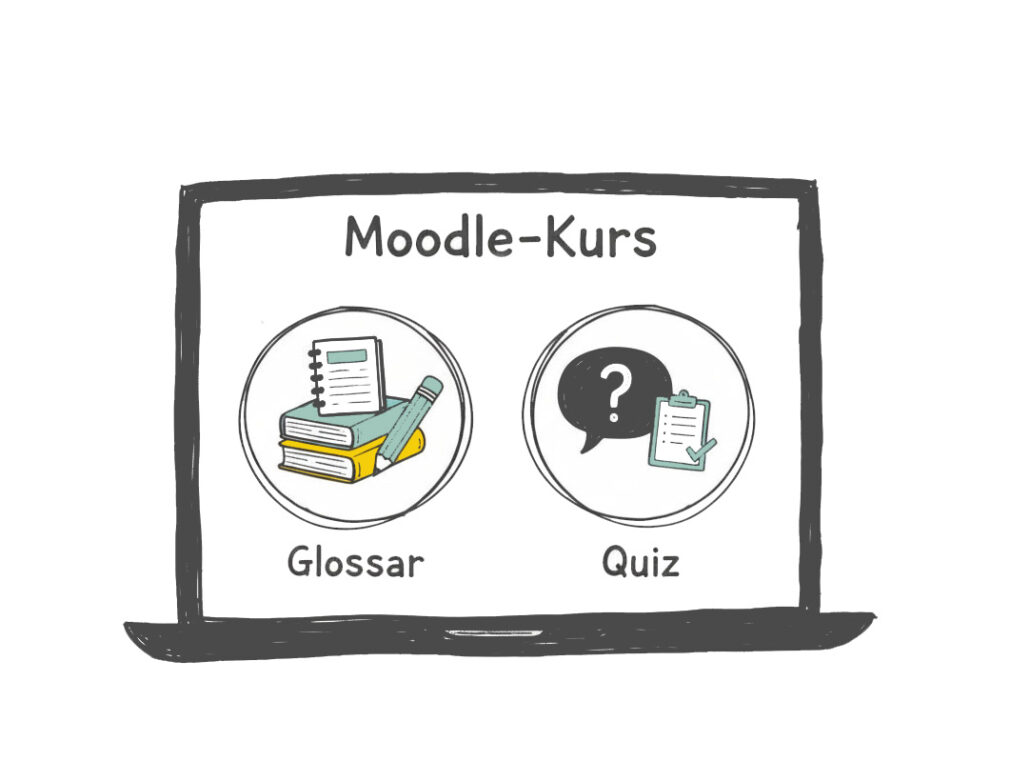
The IT Security course is supplemented by a digital, artificial intelligence (AI)-supported flashcard system. This contains questions on the topics covered in the lectures. The answers provided by students are semantically compared with the specified model answer using SentenceTransformers (algorithms for comparing the content of sentences). ...
The completely new online course „Logical Argumentation“ is being developed at Schmalkalden University of Applied Sciences as part of a grant from the eTeach Network Thuringia. The course is aimed at students of all disciplines on Bachelor's degree programmes and teaches the basics of logical thinking and argumentative reasoning.
The blended learning units provide students with an in-depth introduction to the topic of German colonialism using archive material. The focus is on childhood, education and educational institutions in former German South West Africa. At the same time, the historical events and developments are analysed with regard to their significance for ...
In the (predominantly) hybrid course Diversity and Service Learning of the Social Work and Health degree programme, the accompanying Moodle course was redesigned as part of the eTeach open space funding and supplemented with interactive offerings, which were closely supervised by a tutorial. The students were able to ...
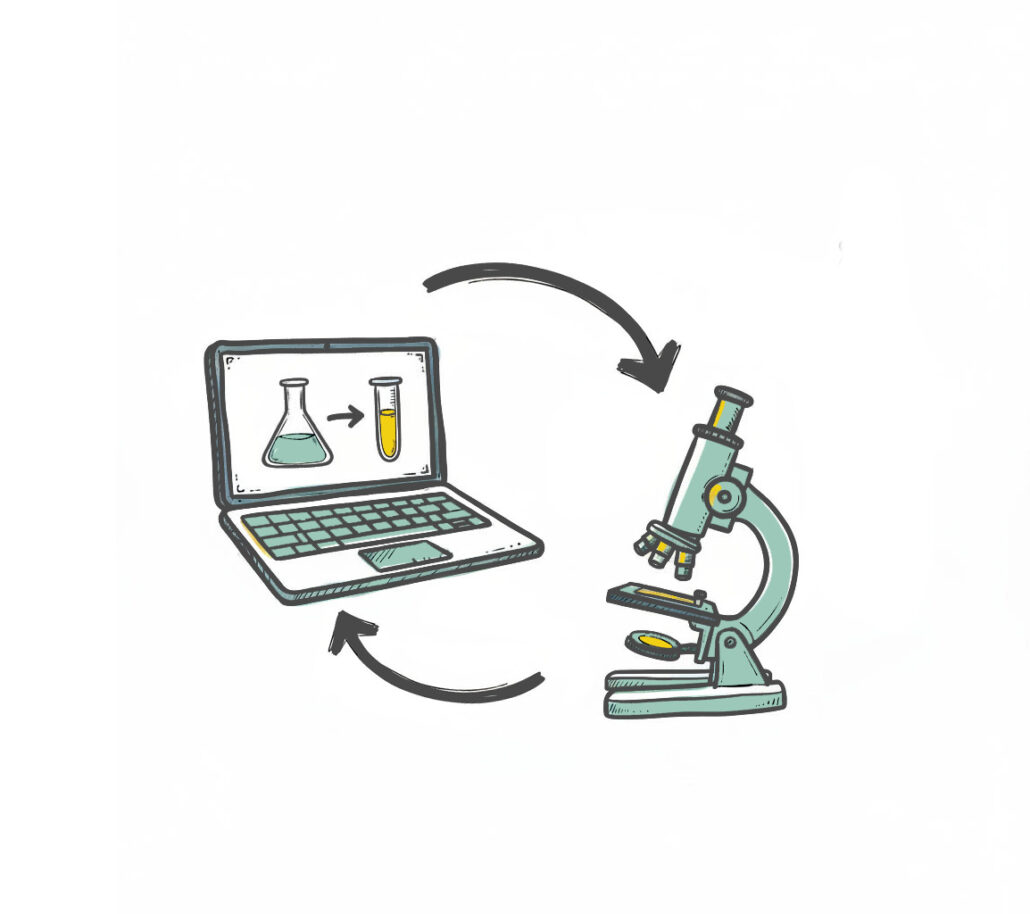
Work placements are a central component of science education. They combine theory with application and support students in acquiring specialised and practical laboratory skills. However, traditional practicals are often time and resource intensive and limited by restricted access to large laboratory equipment. In order to minimise attendance time ...
In the summer semester of 2025, a practice-oriented teaching concept was trialled as part of the „Digital Burnout“ project module, which combined photography, artificial intelligence and digital platforms. The starting point was the assumption that the digital space is not only a technical environment, but also a ...
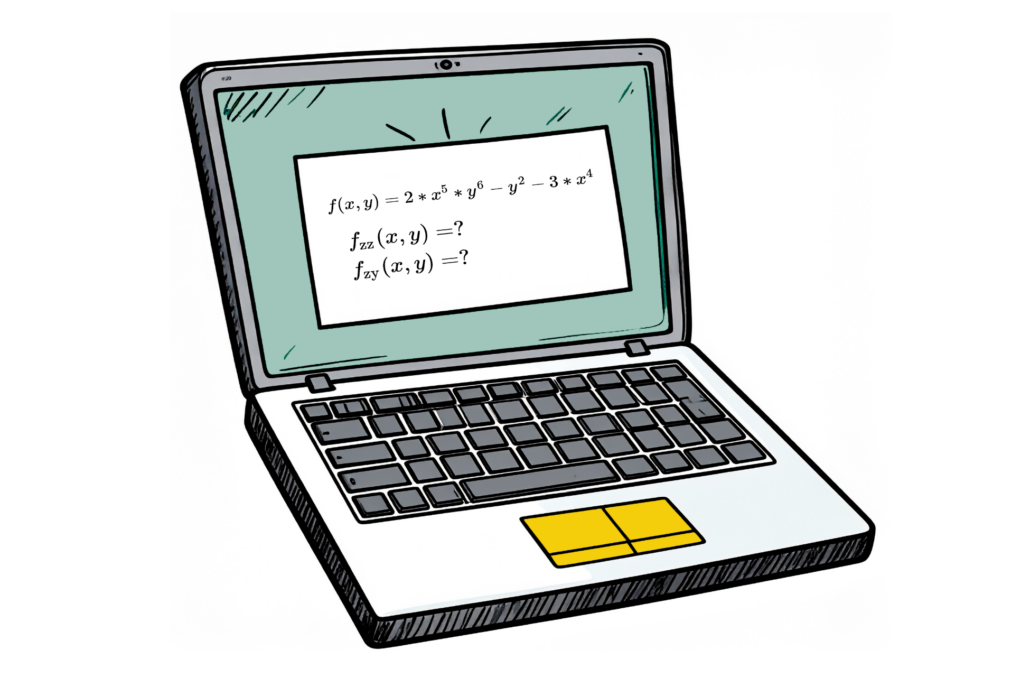
The Mathematics and Statistics module is offered as a basic module for the Business Administration (B.A.) degree programme. To prepare students for the individual face-to-face exercises, exercises are provided as exercise series for independent practice in the Moodle learning management system. These are linked to ...
The "Scientific Instrumentation" degree programme has a relatively large student cohort of 90-115 students. In order to enable all students to work with the scanning electron microscope (SEM) in the "Physical Materials Diagnostics" module, the implementation as an online practical course (a solution from ...
Peer instruction units are short units lasting approx. 10 minutes that are carried out once or several times during a lecture. The starting point is a multiple-choice question that is addressed to the students via the projector. Typically, this is a comprehension question about the ...
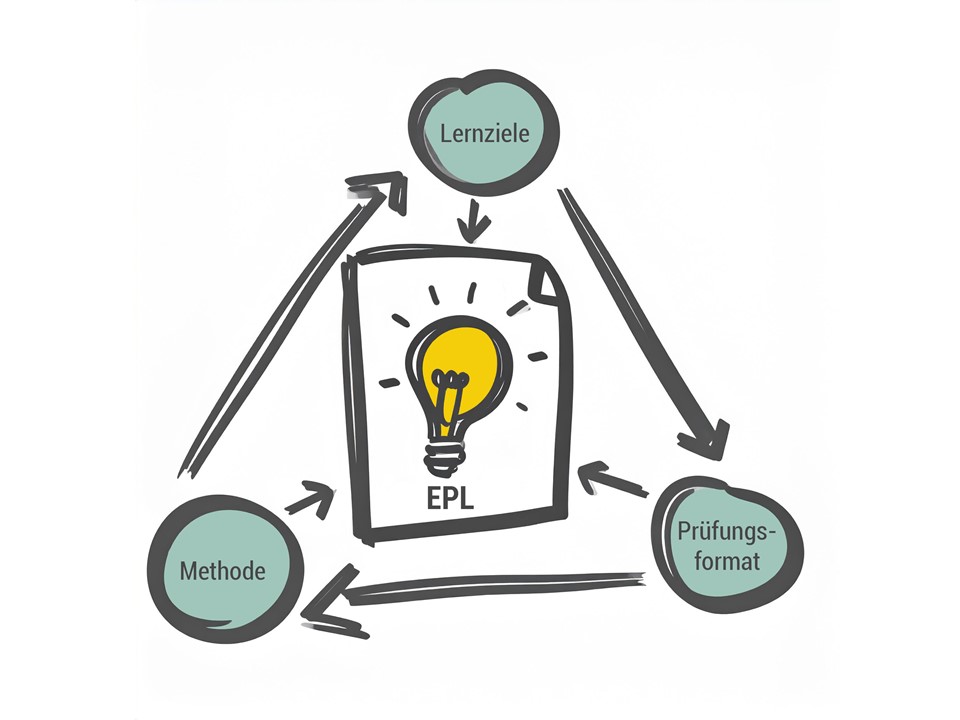
The EPL method is described in detail in (Wieczorek and Ulrich 2022). It is based on the "classic" constructive alignment, but implements it systematically per learning unit (labelled as an event), per individual learning objective. This should lead to a high level of transparency with regard to the ...