
Curriculum development thrives on dialogue
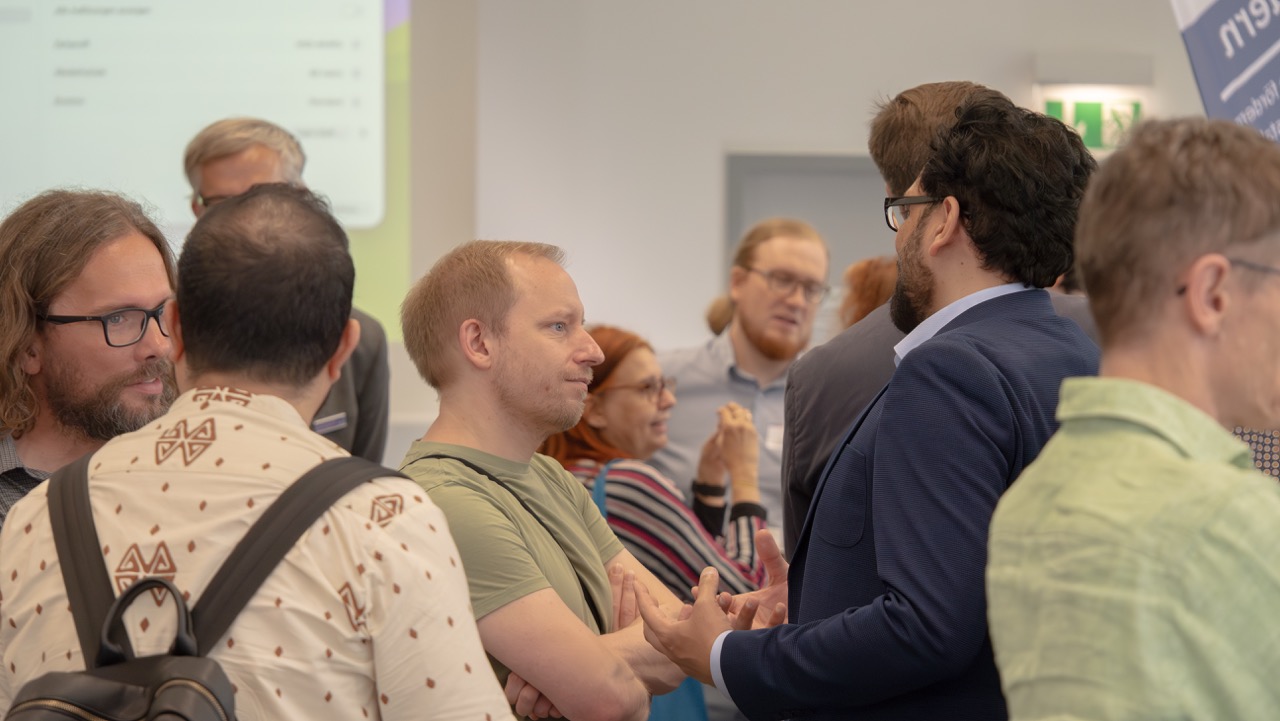
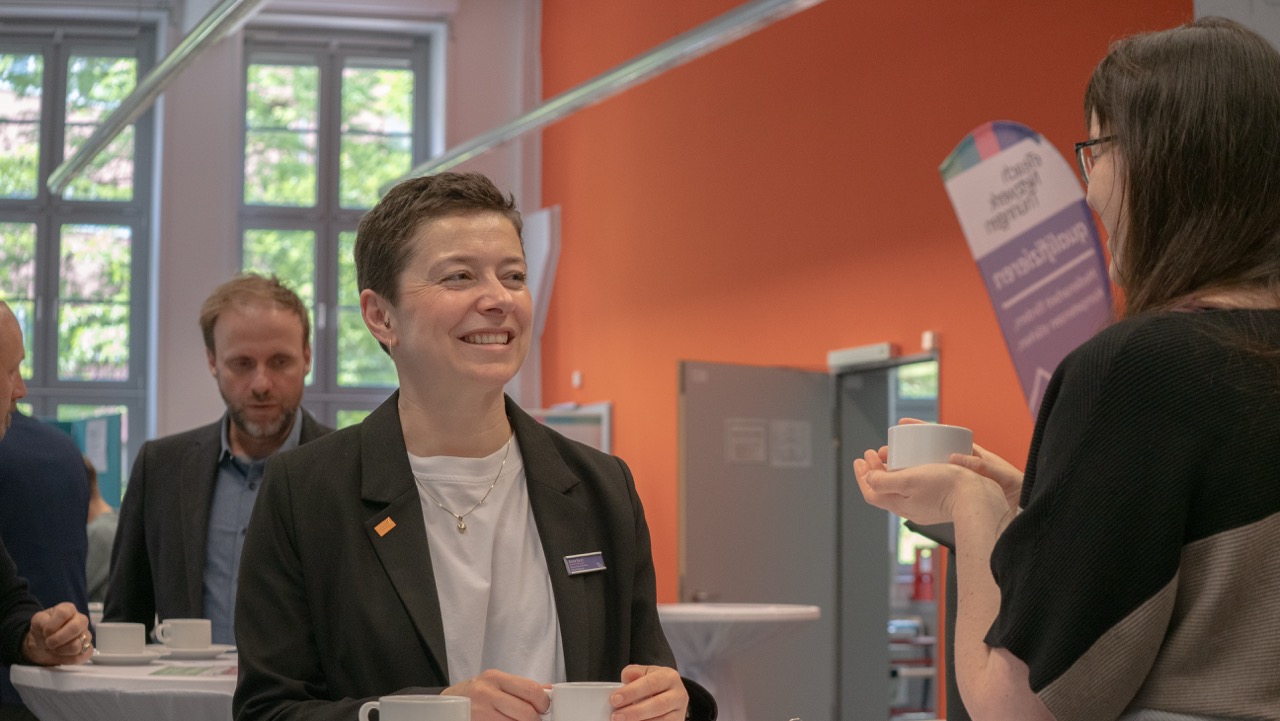
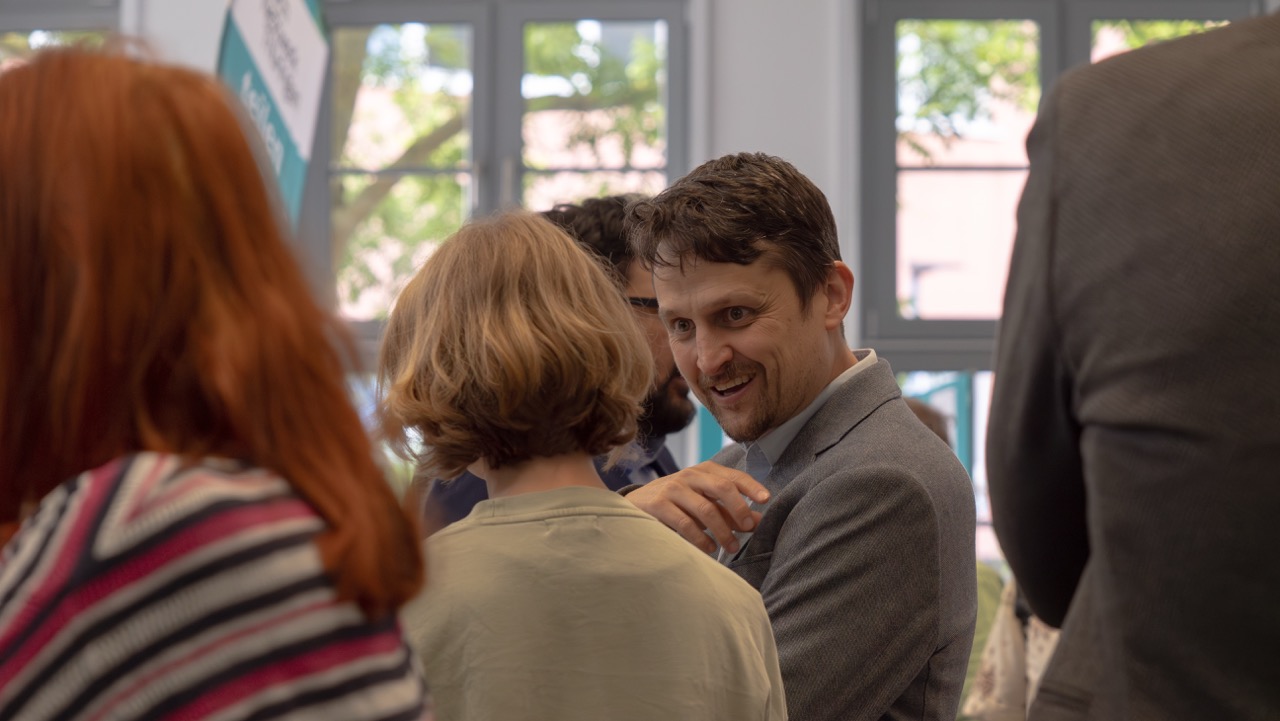
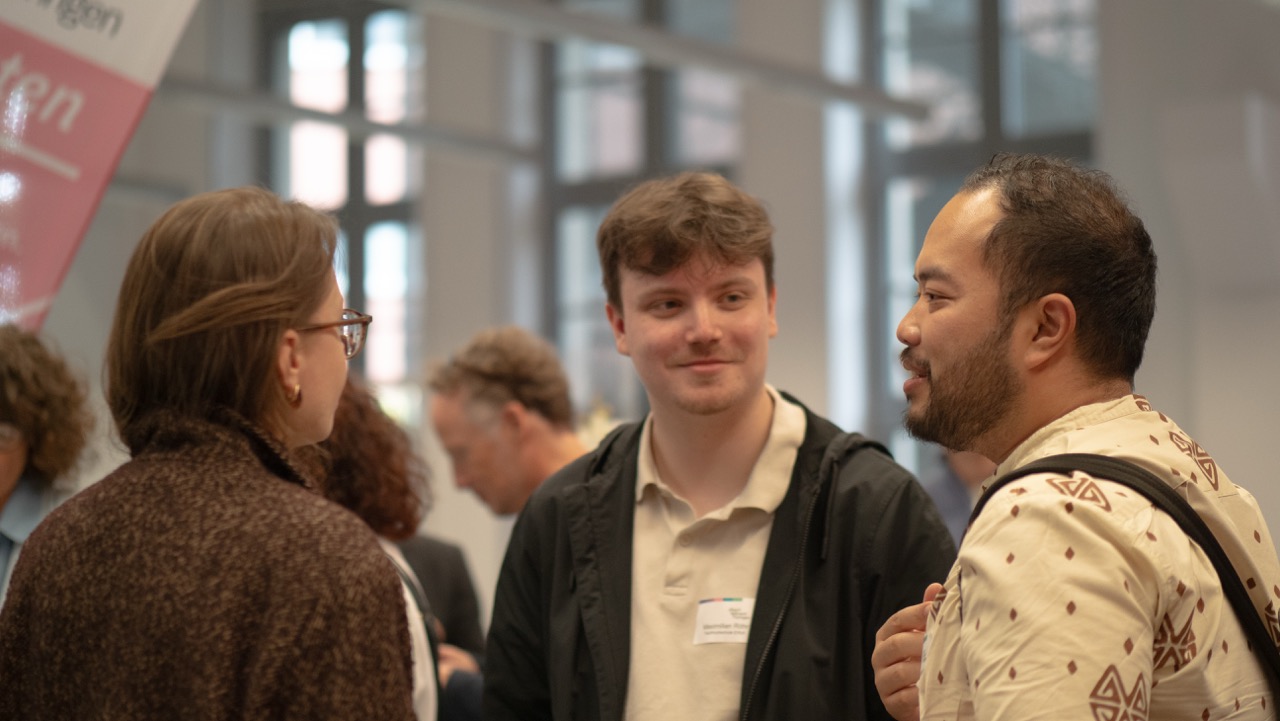
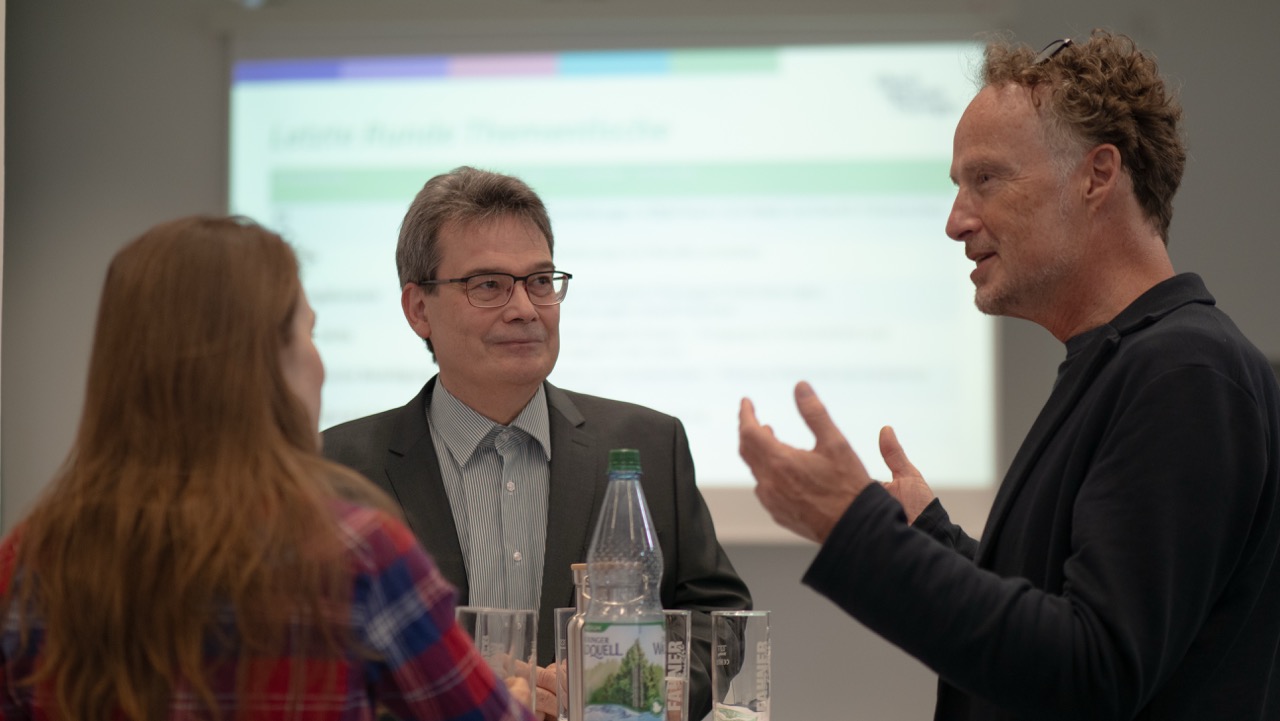
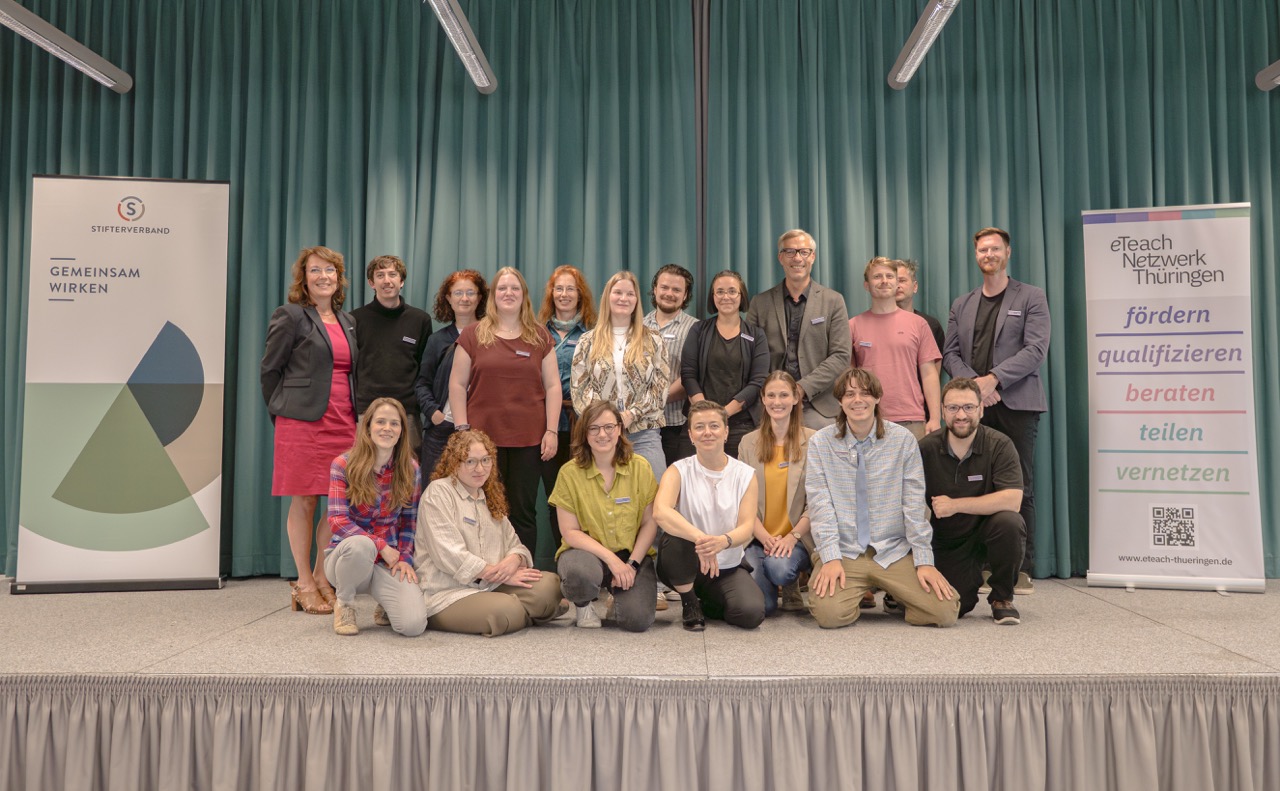
For the fifth time, the „ImDialog“ networking event brought together faculty members, project leaders, and grant recipients from various universities in Thuringia in the auditorium of the Ernst Abbe University of Applied Sciences in Jena. The focus was on cross-university exchange regarding innovative teaching concepts, as well as a joint examination of the challenges posed by digital transformation in academic studies and teaching.
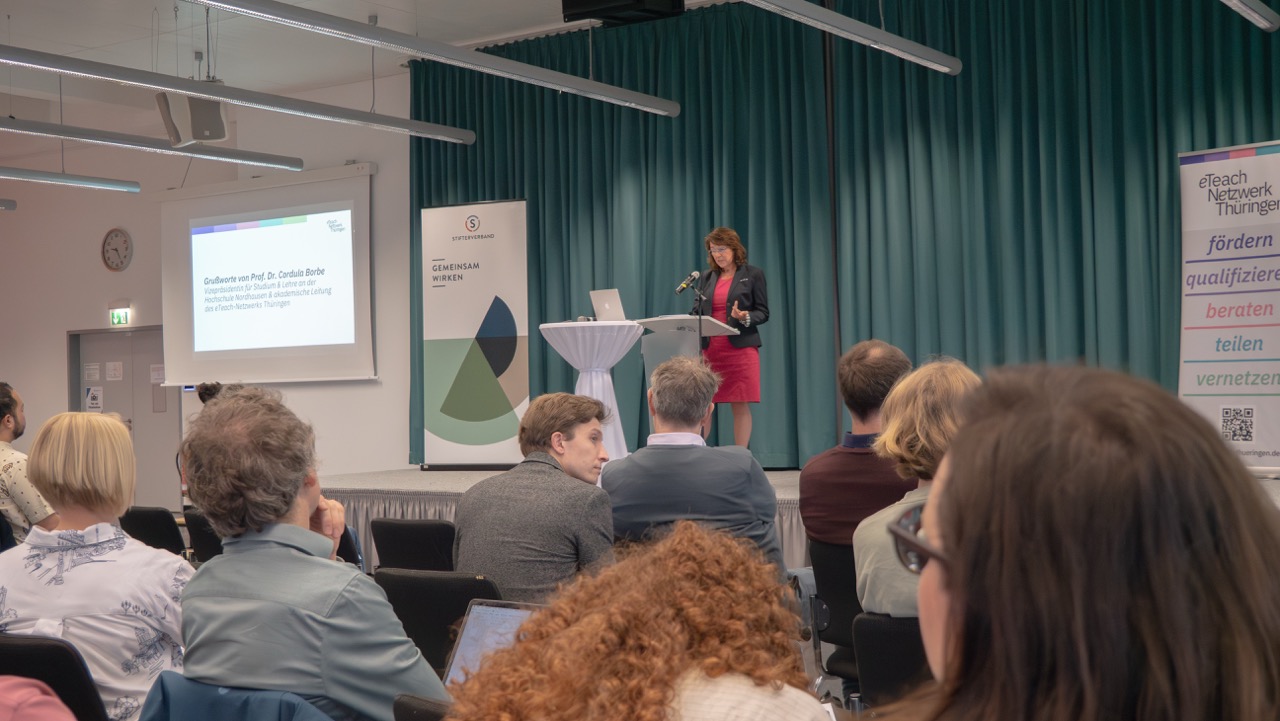
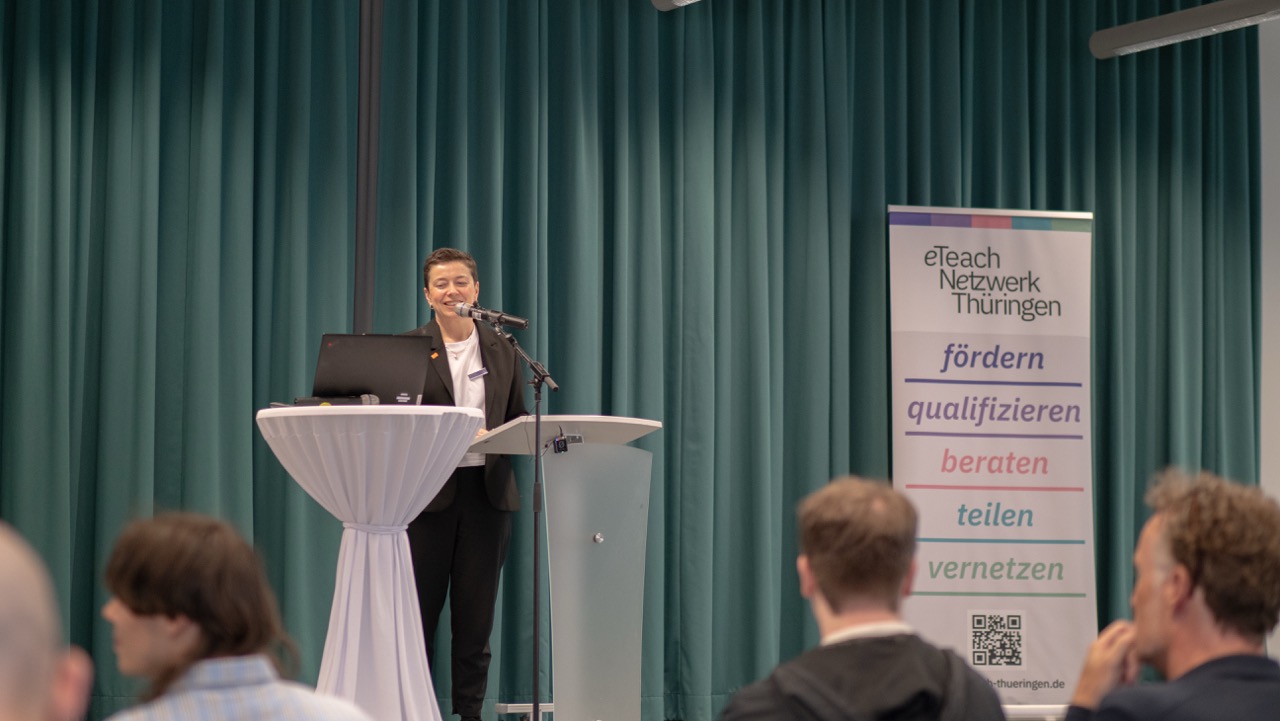
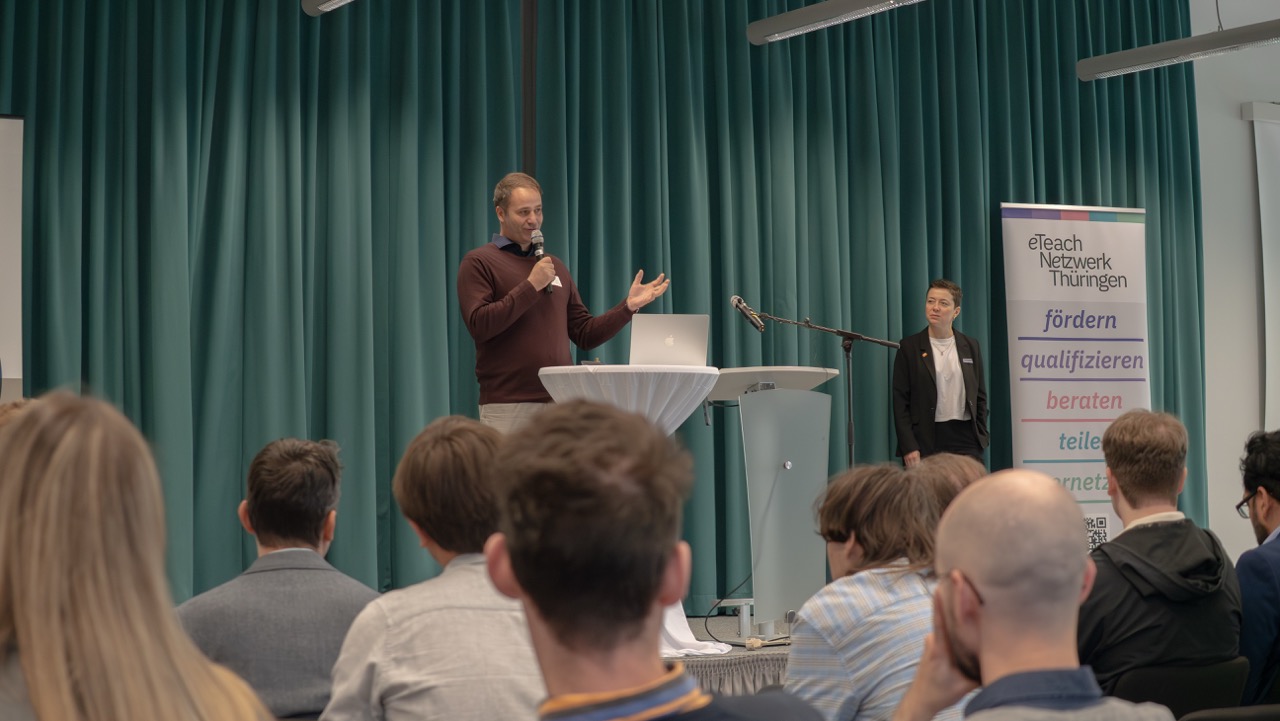
In their opening remarks, Prof. Dr. Mario Brandtner and Prof. Dr. Cordula Borbe highlighted the central role of the eTeach network as a platform for networking, knowledge transfer, and innovation. Especially against the backdrop of profound changes driven by digitalization and artificial intelligence, the importance of shared development spaces for the future viability of Thuringia’s higher education landscape was emphasized.
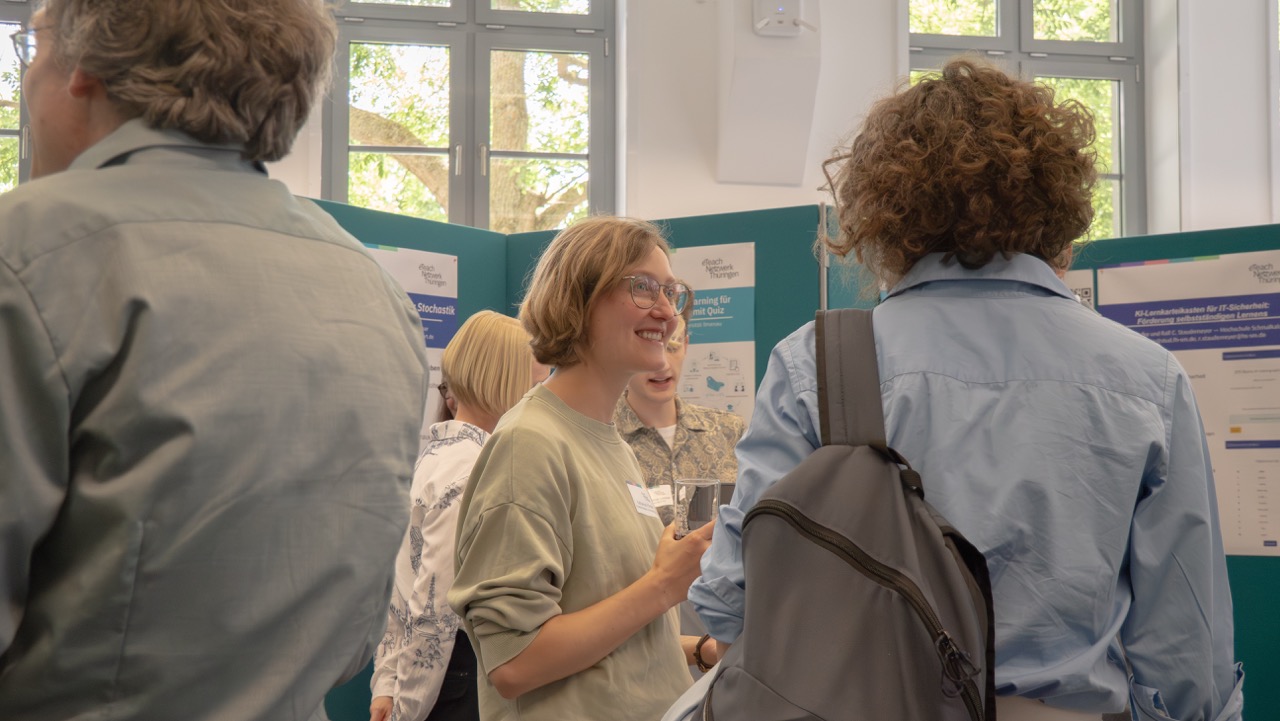
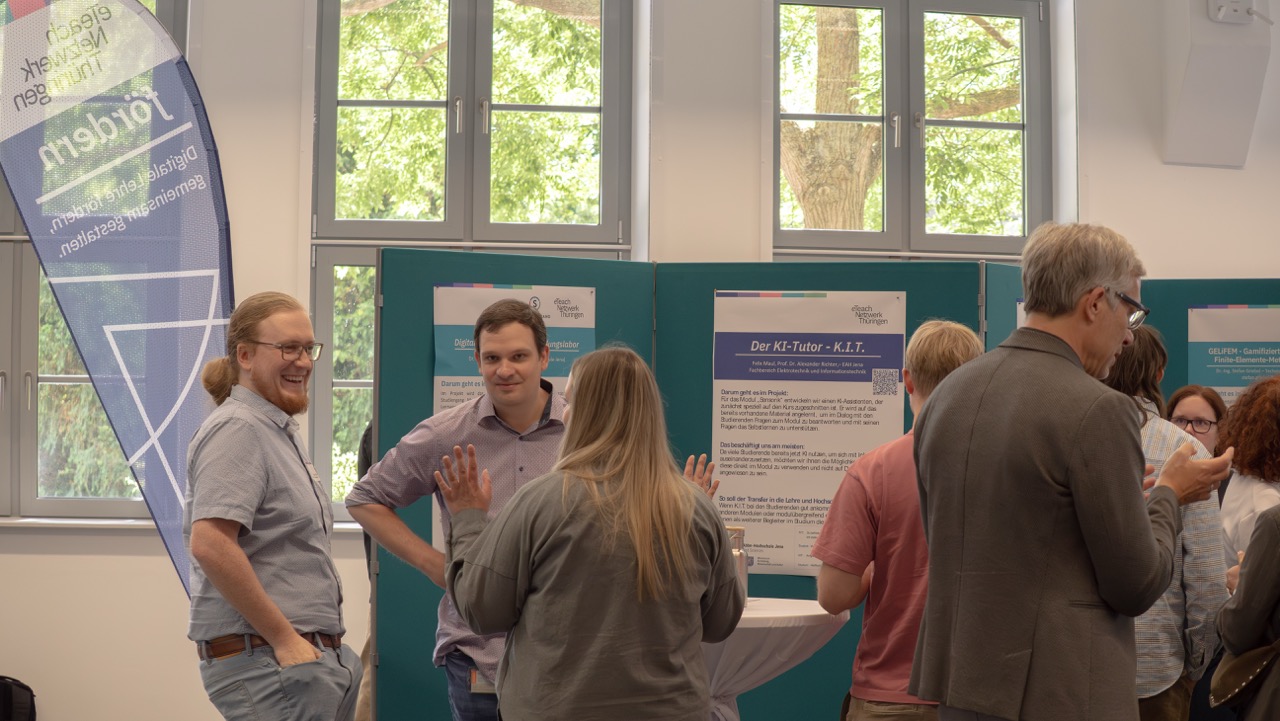
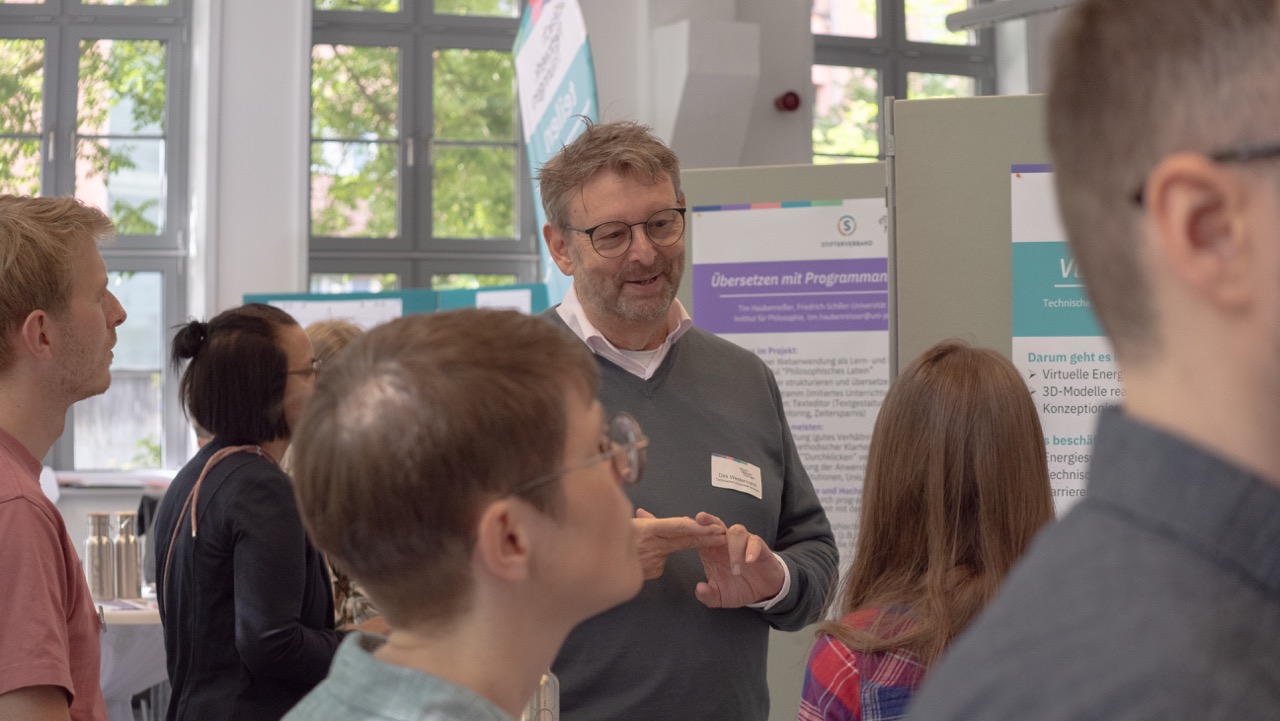
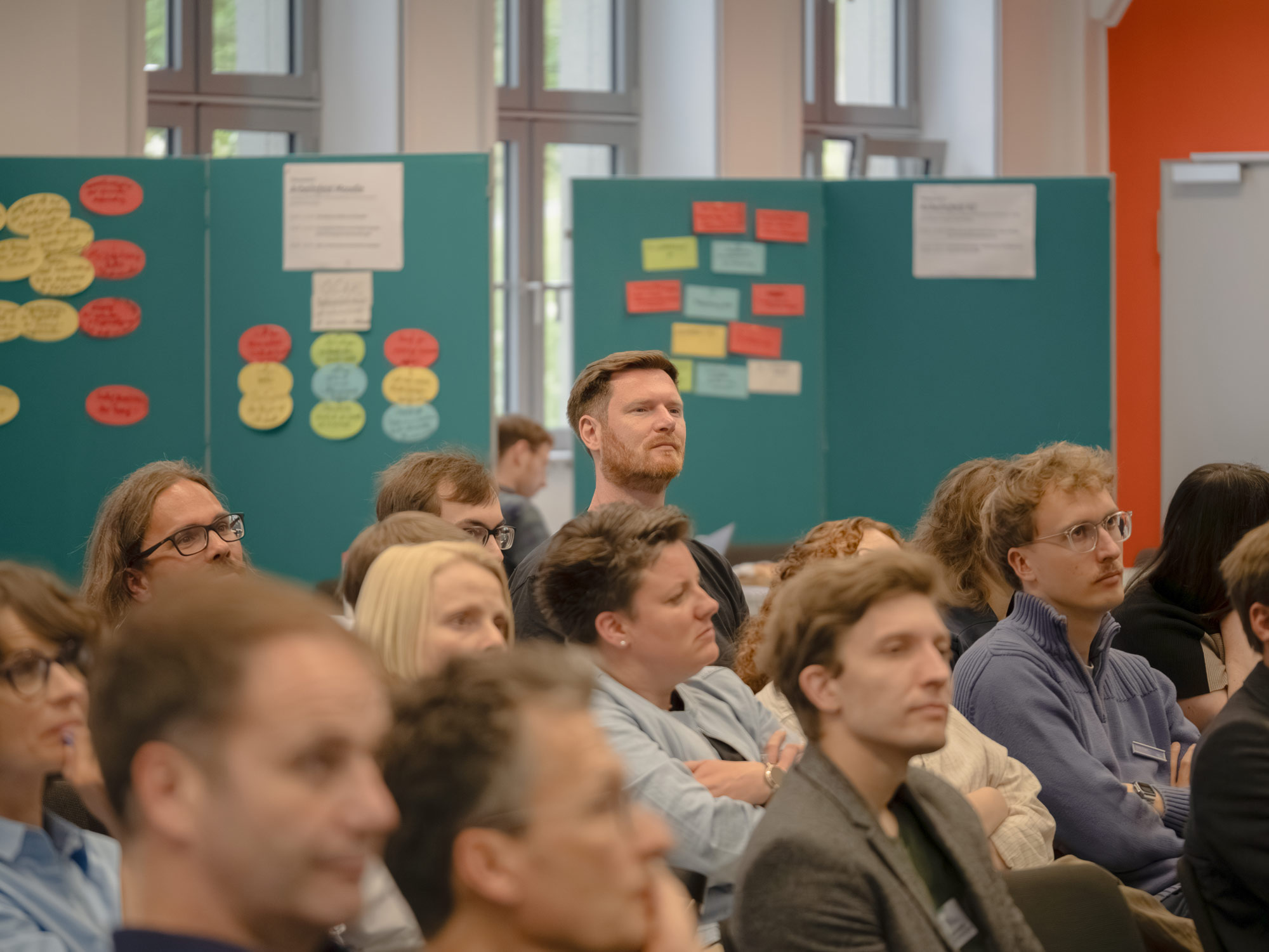
A key part of the program was the project pitches, followed by a poster walk. In short presentations, researchers and faculty members from Thuringian universities presented a total of 14 innovative projects, highlighting the diversity of current teaching innovations at Thuringian universities. Projects presented included AI-supported teaching and learning formats, digital exercises and exams, gamified learning environments, and virtual and mixed reality applications. Other key areas of focus included the development of teaching materials usable internationally, the active involvement of students in instructional development processes, and the design of digital learning offerings that promote diversity.
>>> You can view the posters on the event page
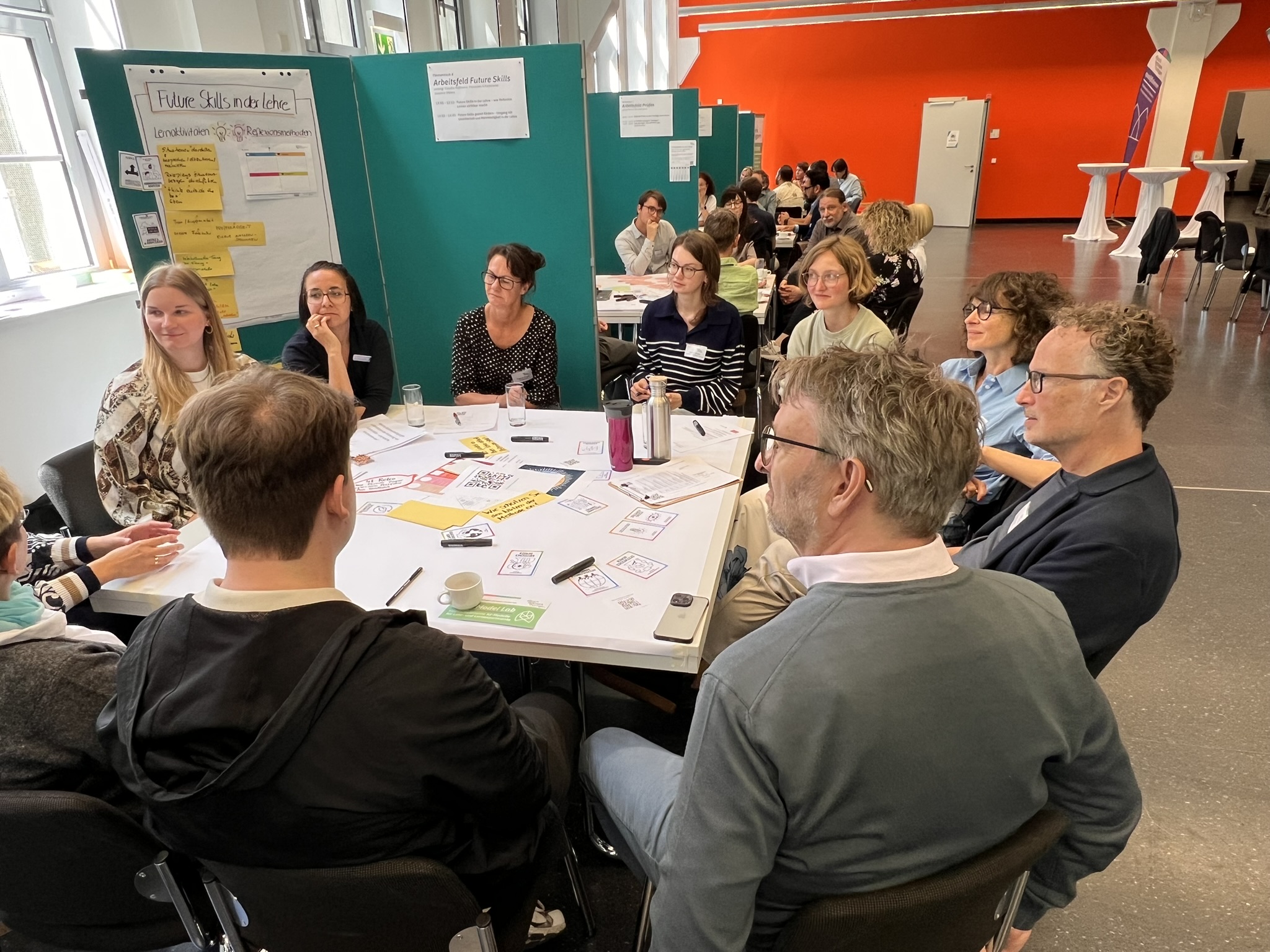
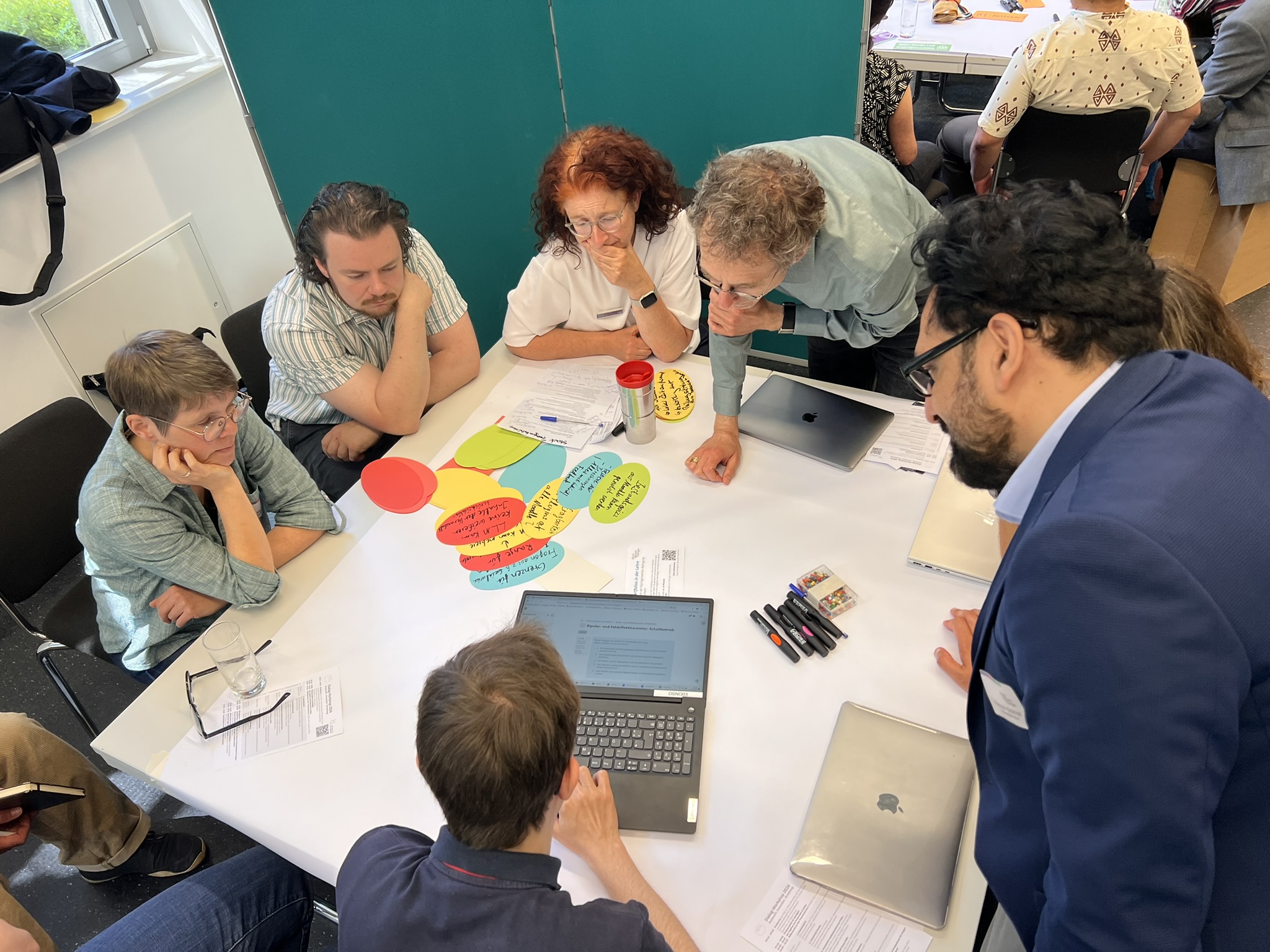
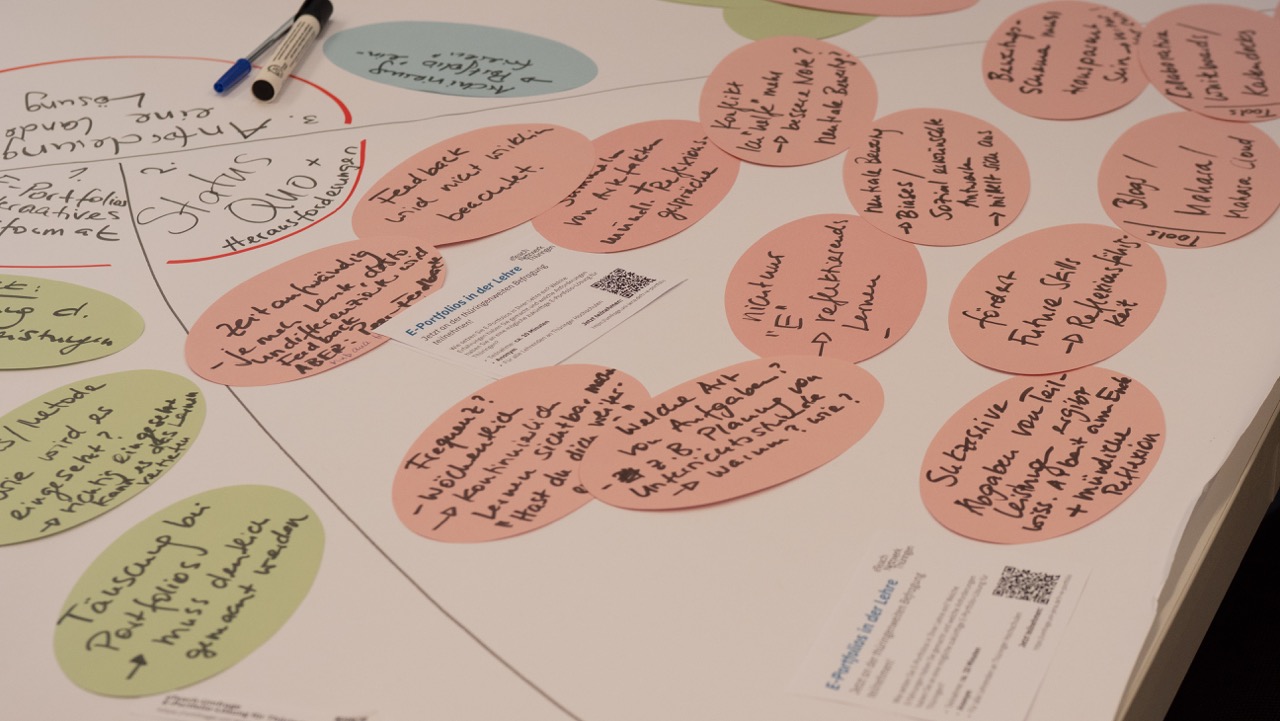
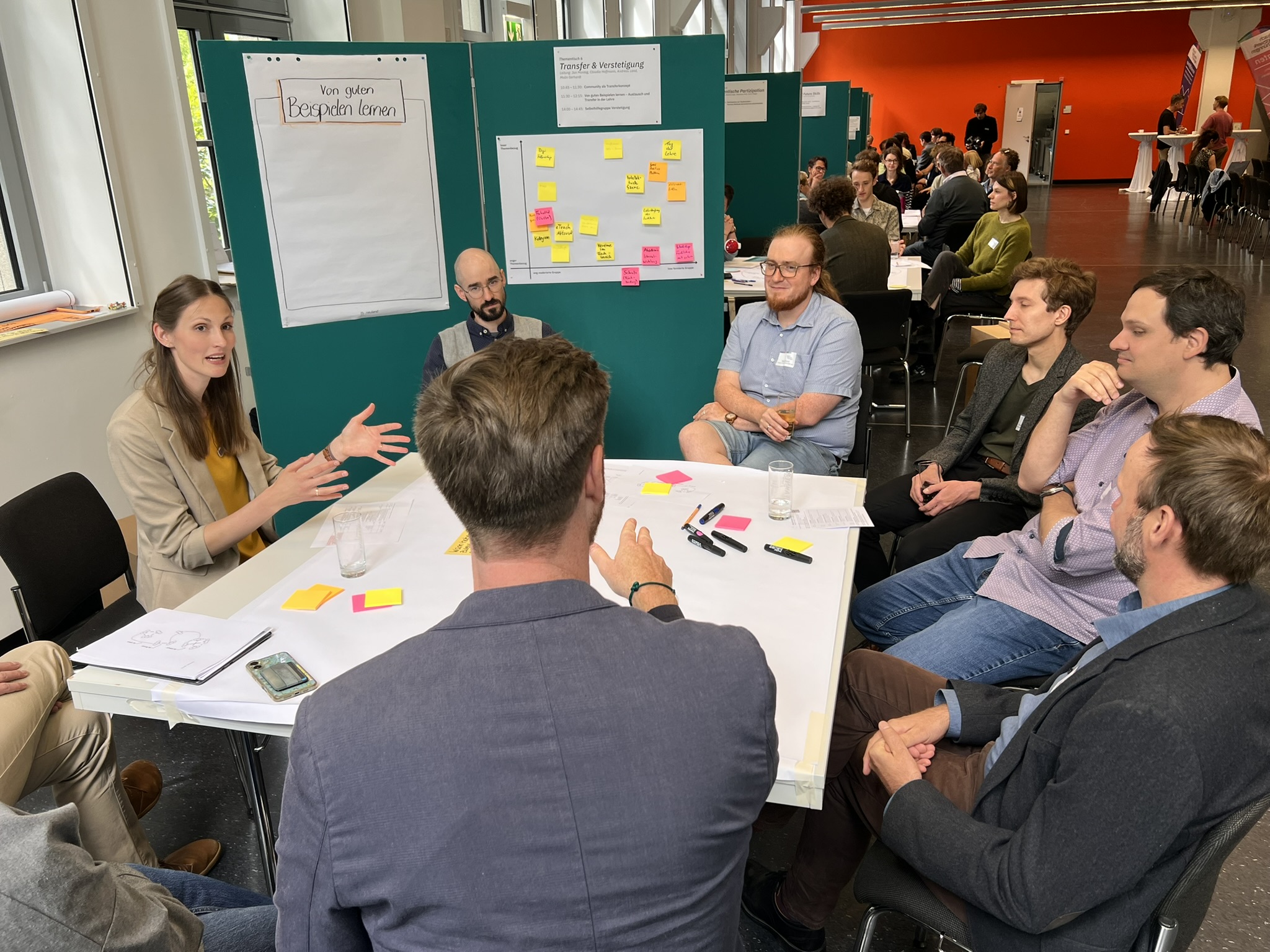
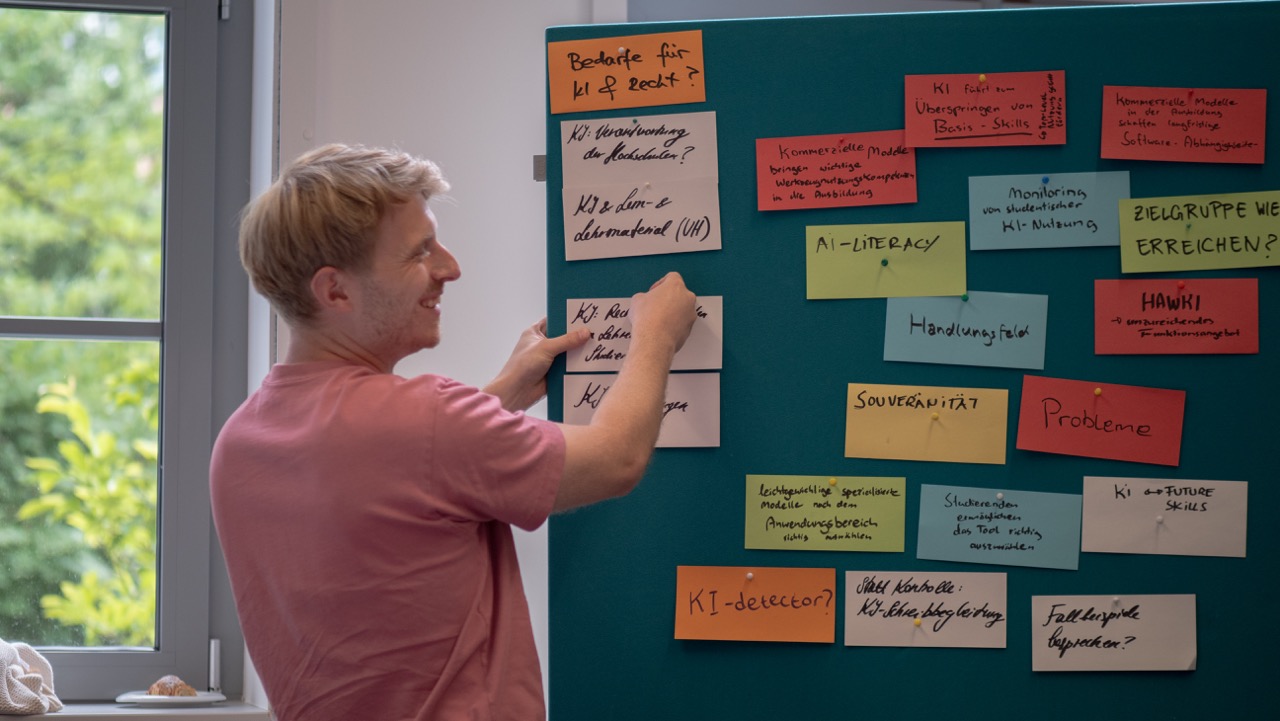
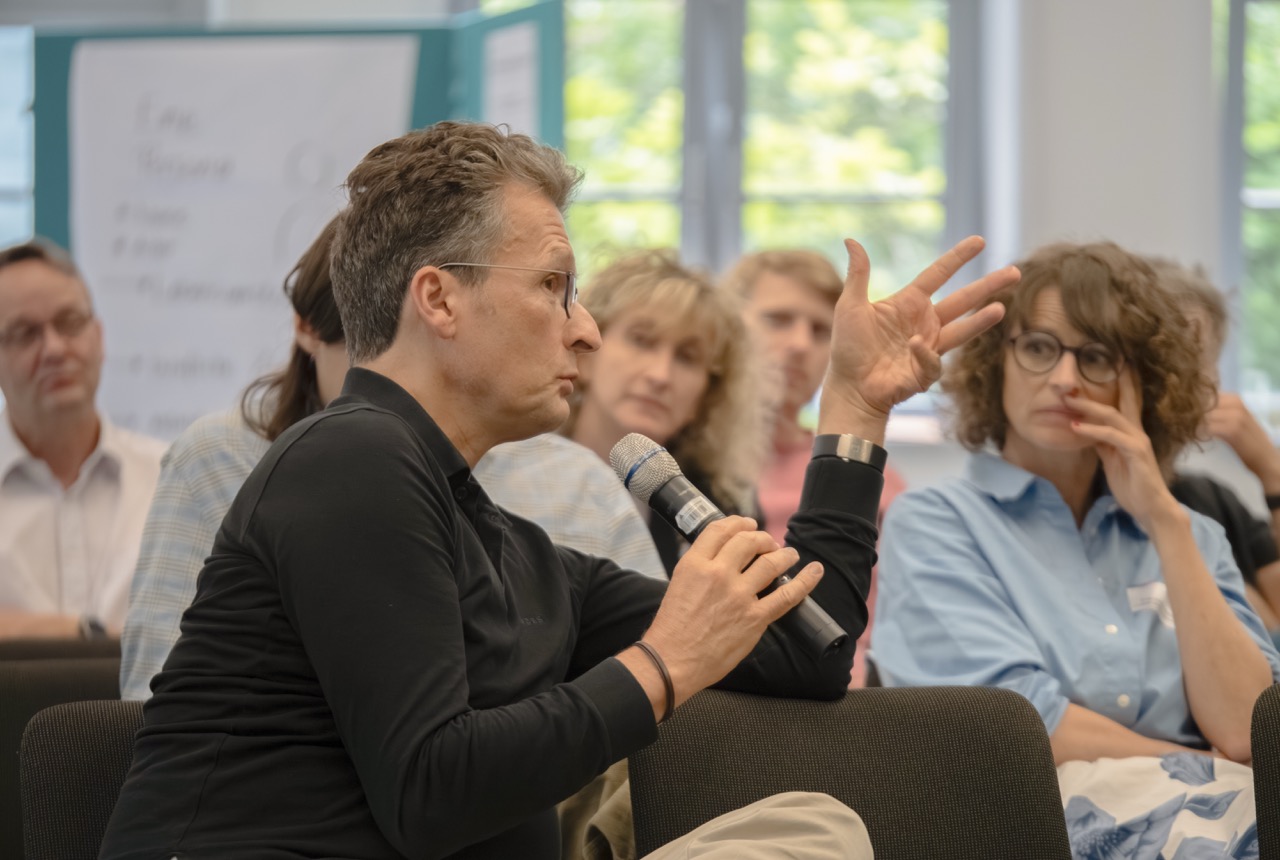
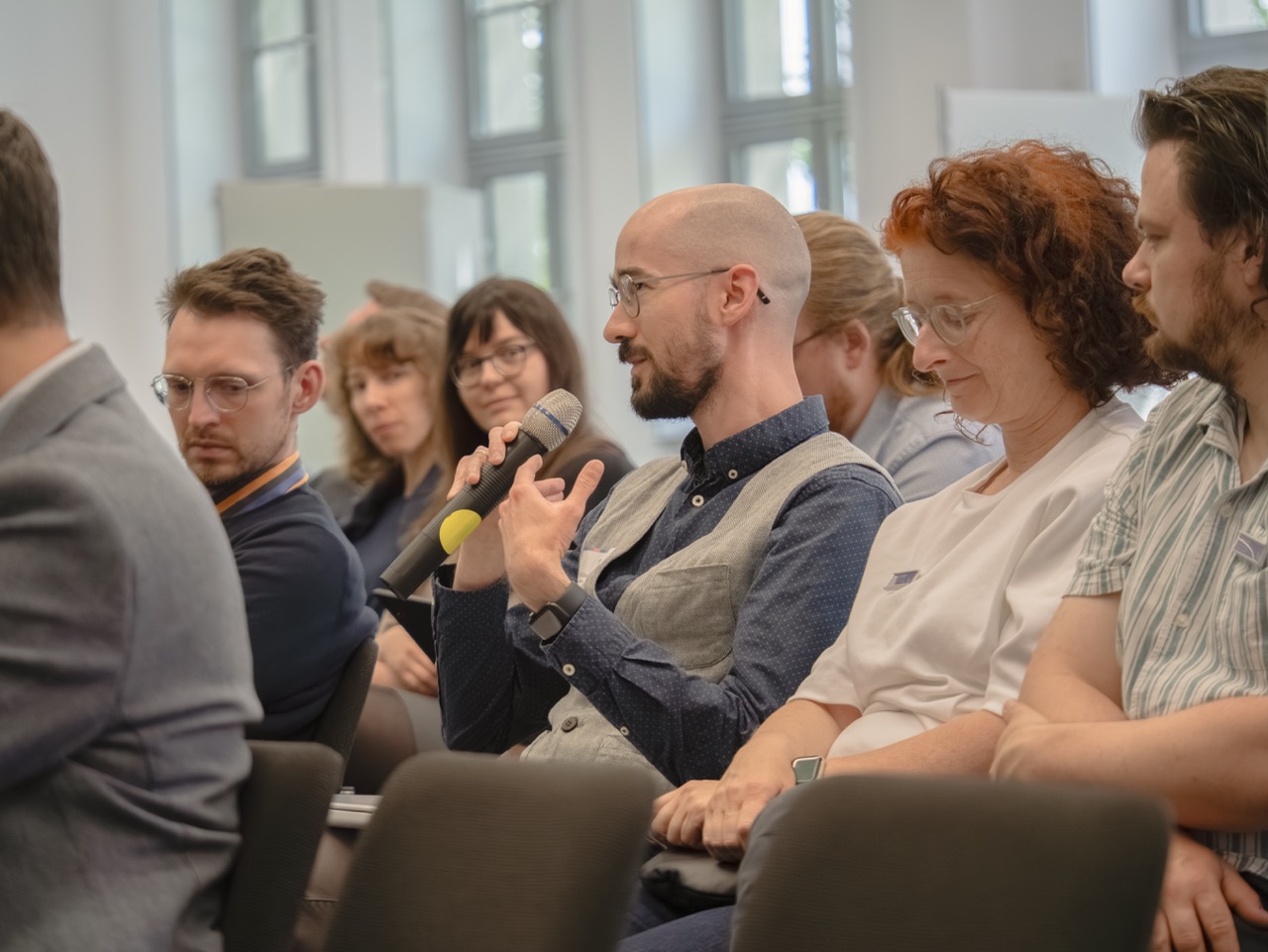
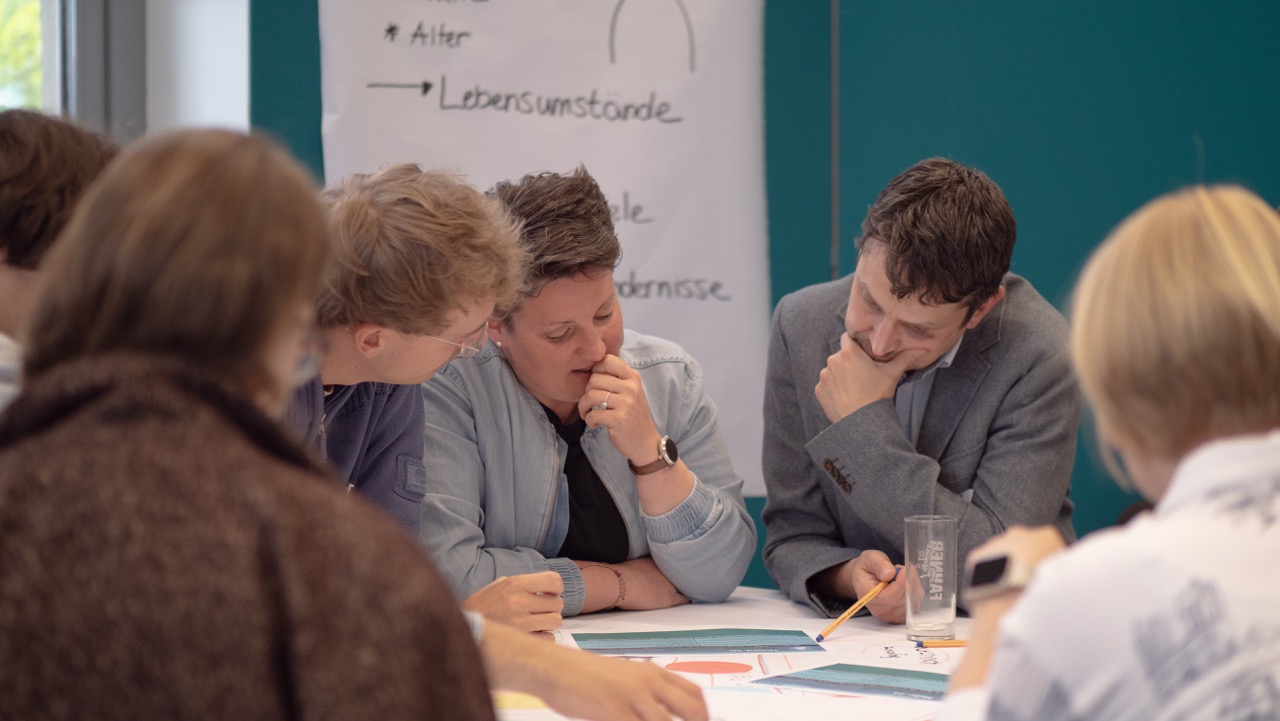
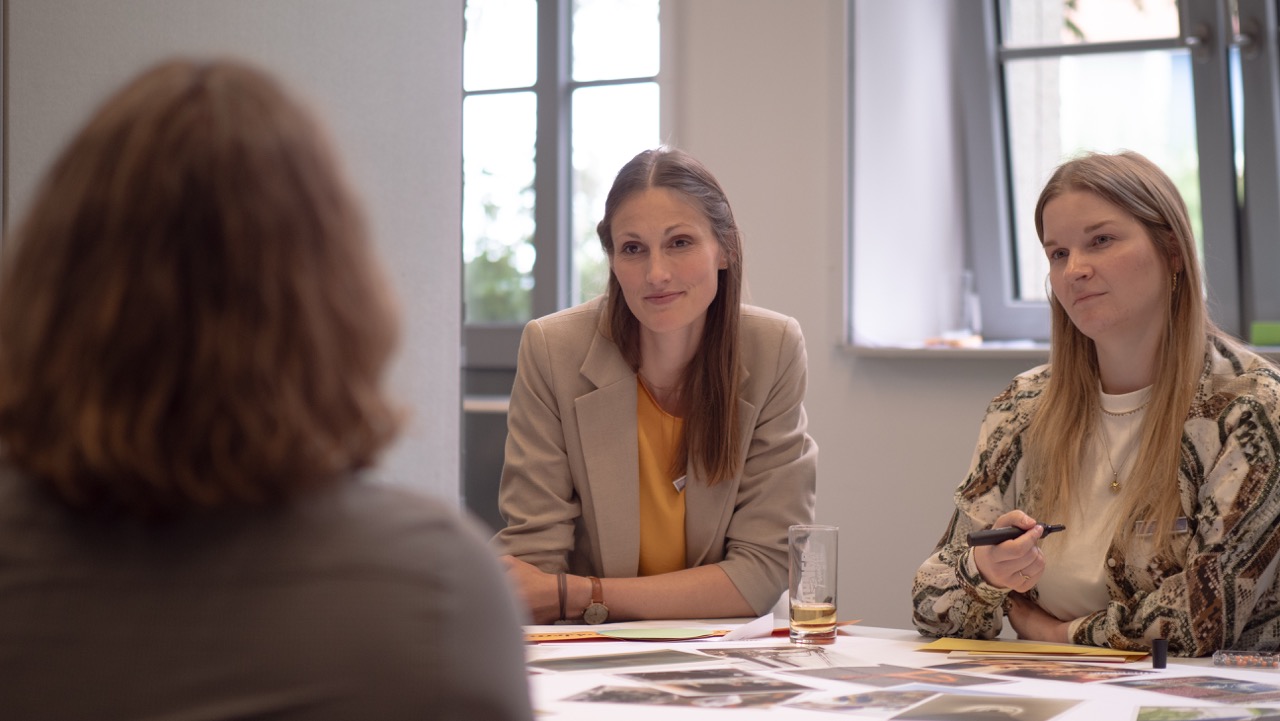
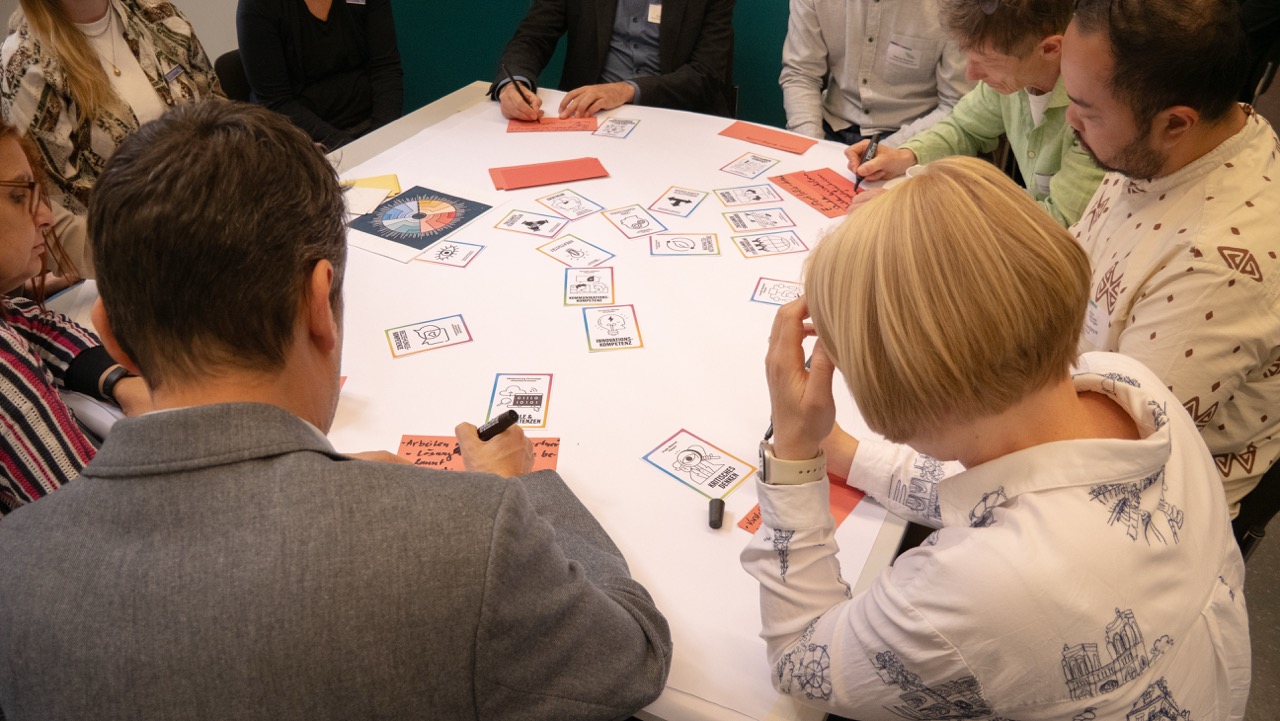
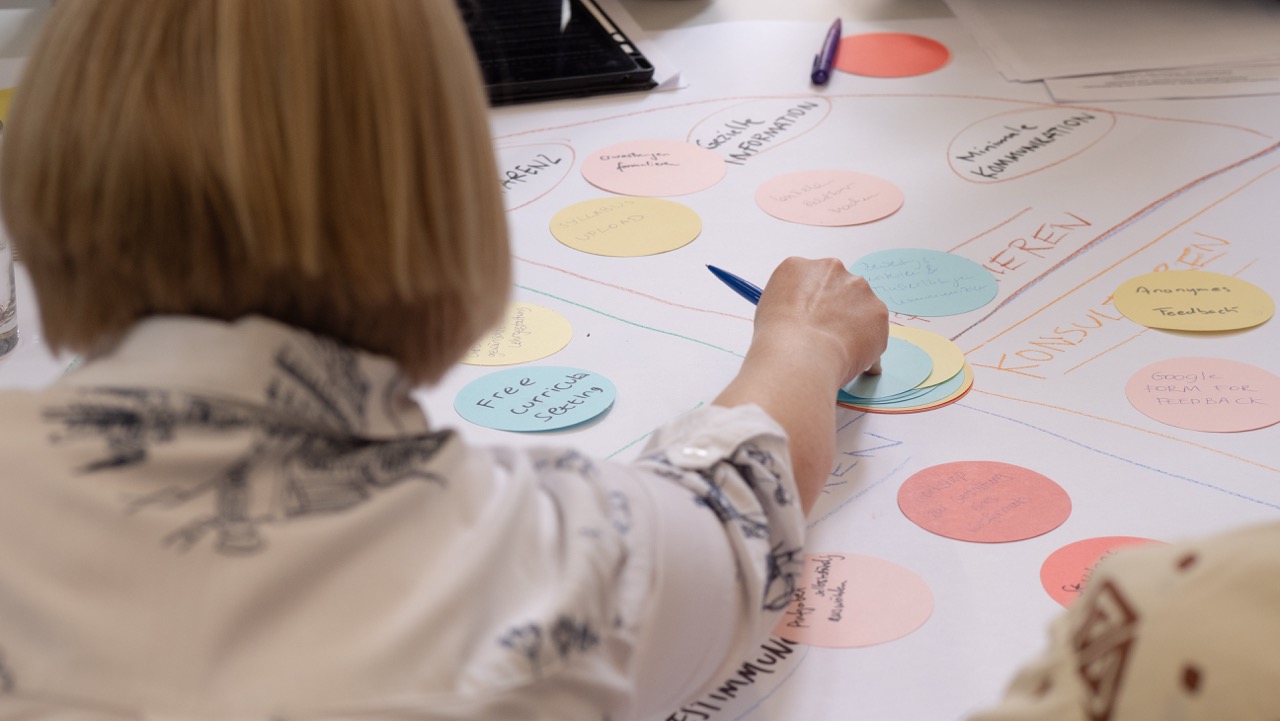
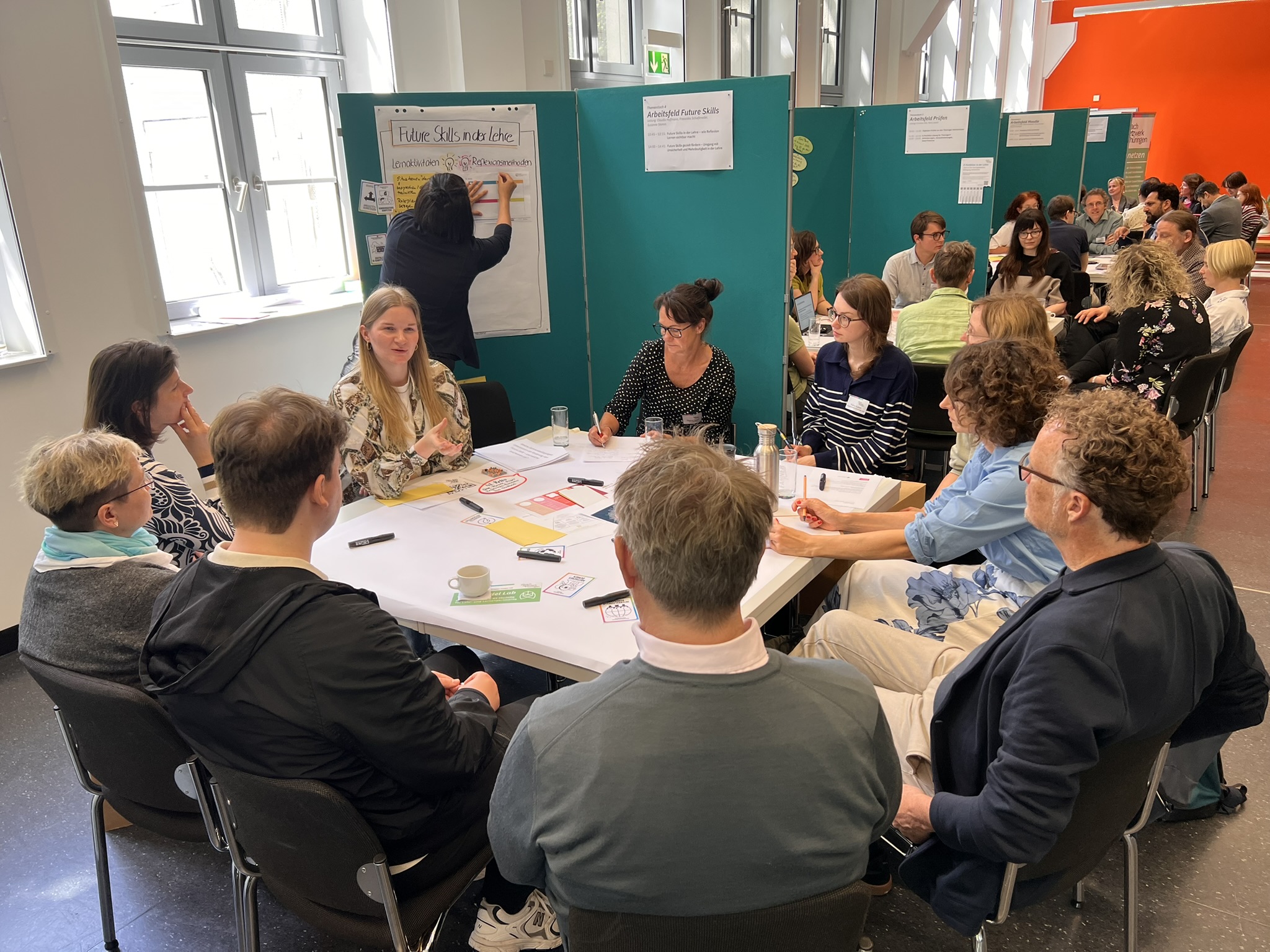
The subsequent thematic breakout sessions were particularly diverse. Three discussion rounds focused on current issues in higher education. In the field of artificial intelligence, topics discussed included AI sovereignty, training programs, and the GenAI license. Other discussion sessions addressed formative assessment methods in Moodle, digital exam formats, and e-portfolios; future skills, including the importance of reflection for making competencies visible; student participation, including learning about and applying the persona method; and questions regarding the transfer and sustainable consolidation of project results.
The format gave participants the opportunity to bring together experiences from different higher education contexts and develop joint solutions.
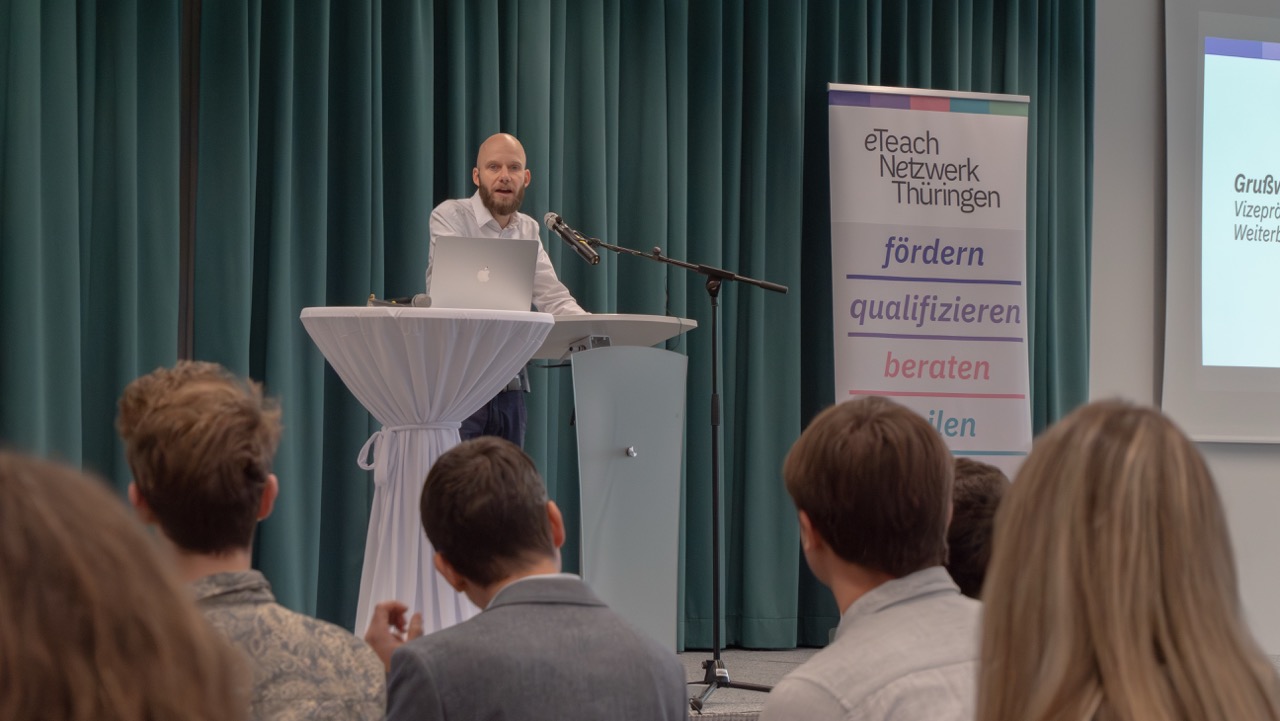
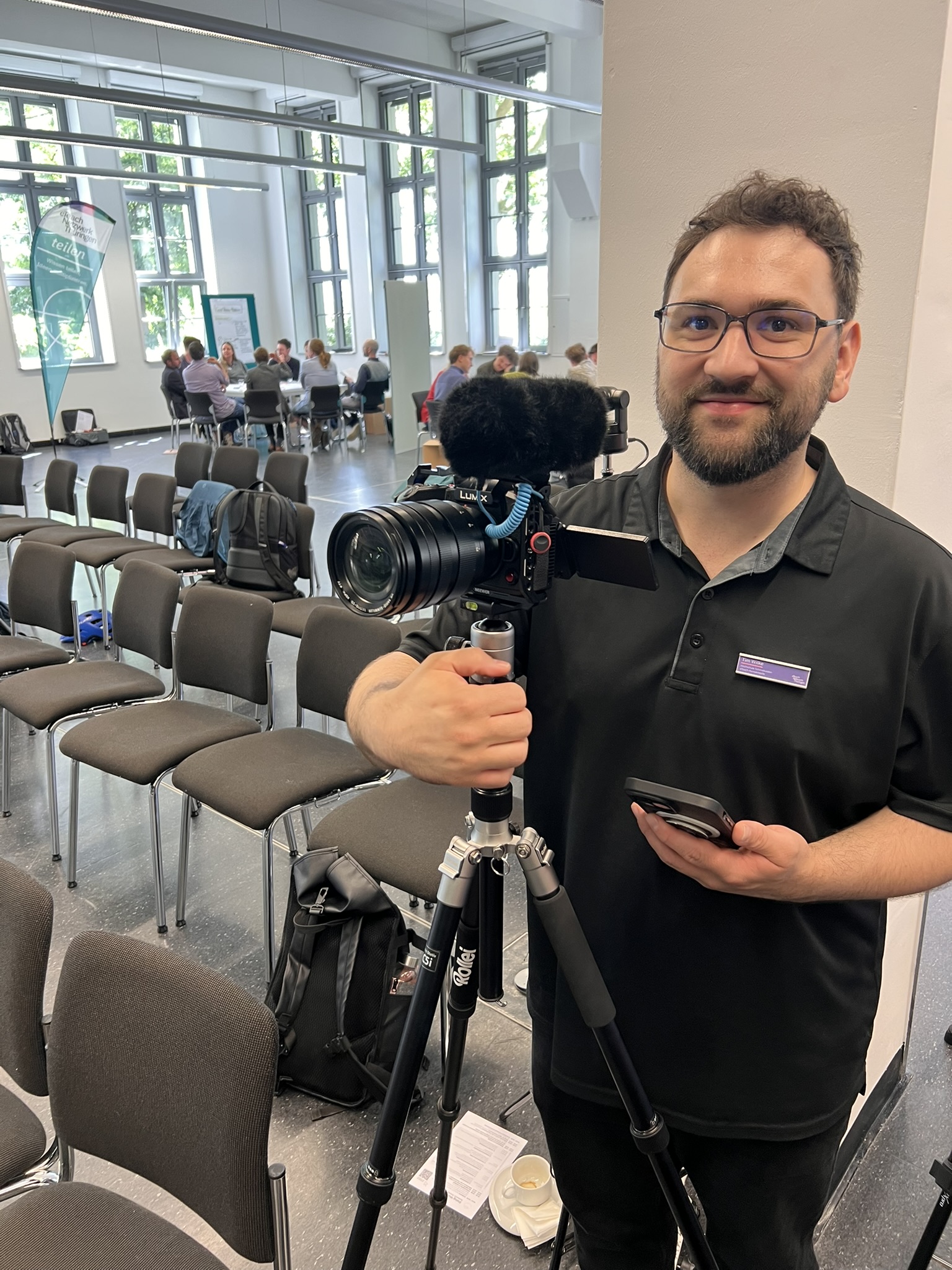
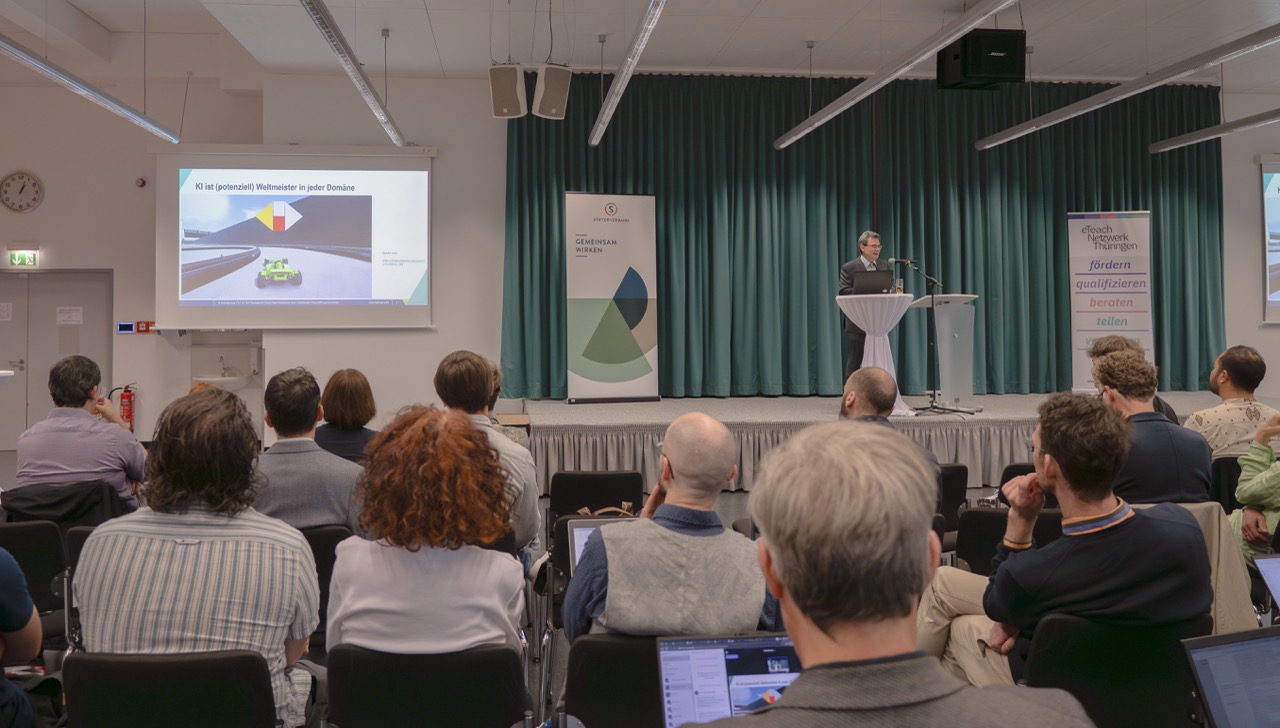
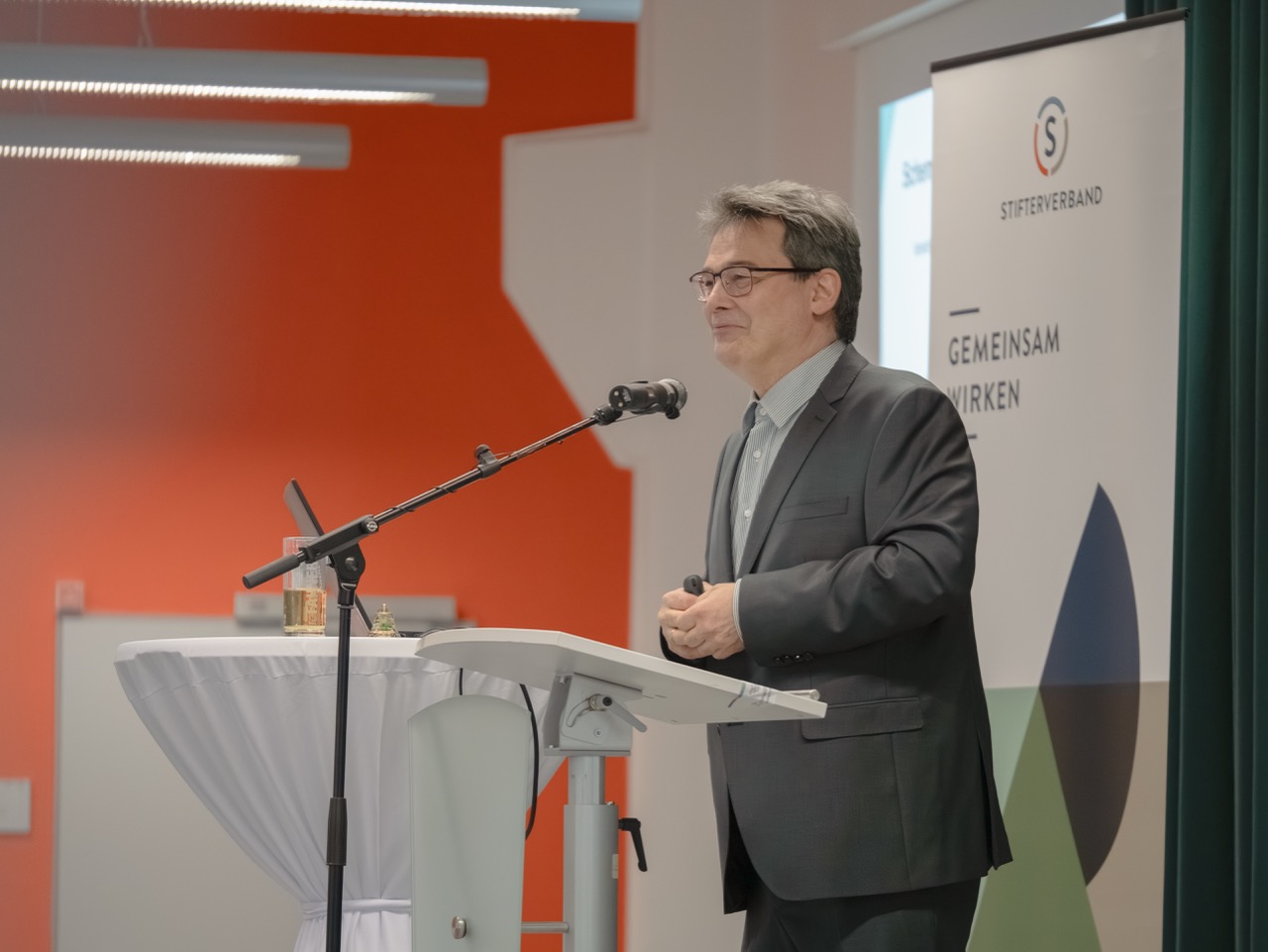
Another highlight of the day was the Talks@eTeach session featuring Prof. Dr. Dirk Schmalzried, titled „AI Skills for Tomorrow: Why Universities Must Take Urgent Action Now.“ In his presentation, Schmalzried painted a thought-provoking picture of current developments in the field of artificial intelligence. AI systems have now reached or even surpassed human performance levels in many areas. This has far-reaching consequences for numerous professional fields and also presents higher education with fundamental changes. The focus of his lecture was on the question of what skills students will need in the future to succeed in a work world shaped by AI. In addition to technical understanding, he emphasized that innovation skills, transformational competence, legal knowledge, and personal resilience are particularly in demand. Using practical examples, Schmalzried highlighted the opportunities generative AI already offers today and the resulting challenges for teaching and examinations. Traditional forms of assessment, which primarily evaluate the final product, will need to be supplemented more strongly in the future by competency- and process-oriented approaches. Universities are called upon to make critical thinking, methodological depth, and confident handling of AI visible and assessable. The lecture was broadcast in a hybrid format from the auditorium.
>>> Click here to watch the recording of the talk
The fifth dialogue workshop demonstrated the potential for innovation in higher education in Thuringia when experiences, ideas, and expertise are brought together across institutions. The projects presented and the discussions made it clear that the challenges of digital transformation cannot be overcome by individual actors or institutions alone, but require collaborative development processes.
Photos: Emily Ungermann, Uwe Cämmerer-Seibel