
Open to new ideas: how exchange can advance university teaching
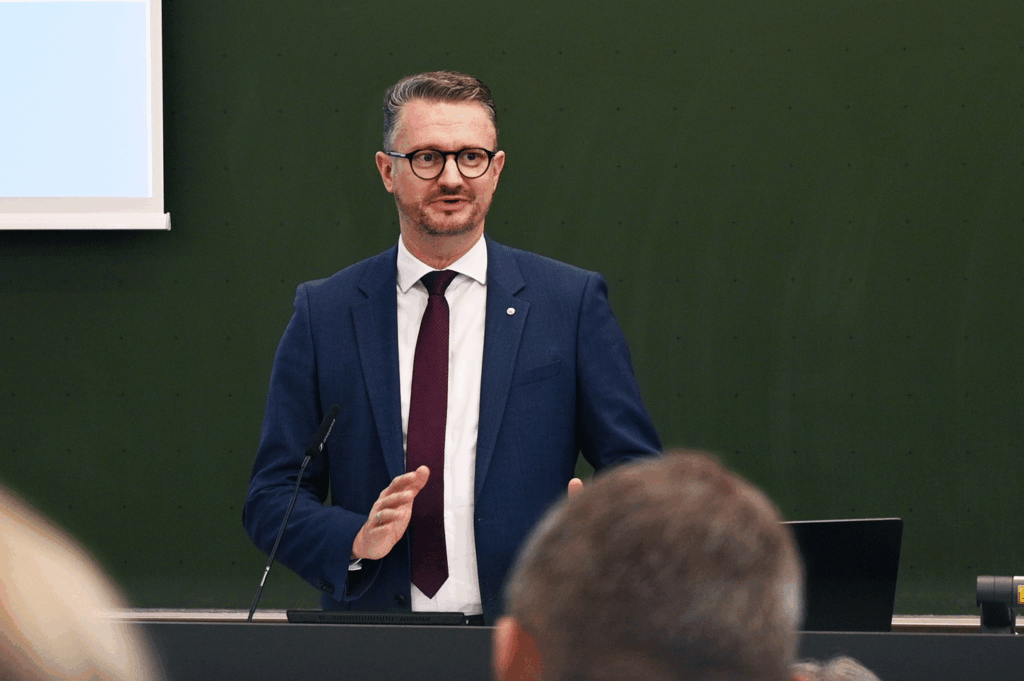
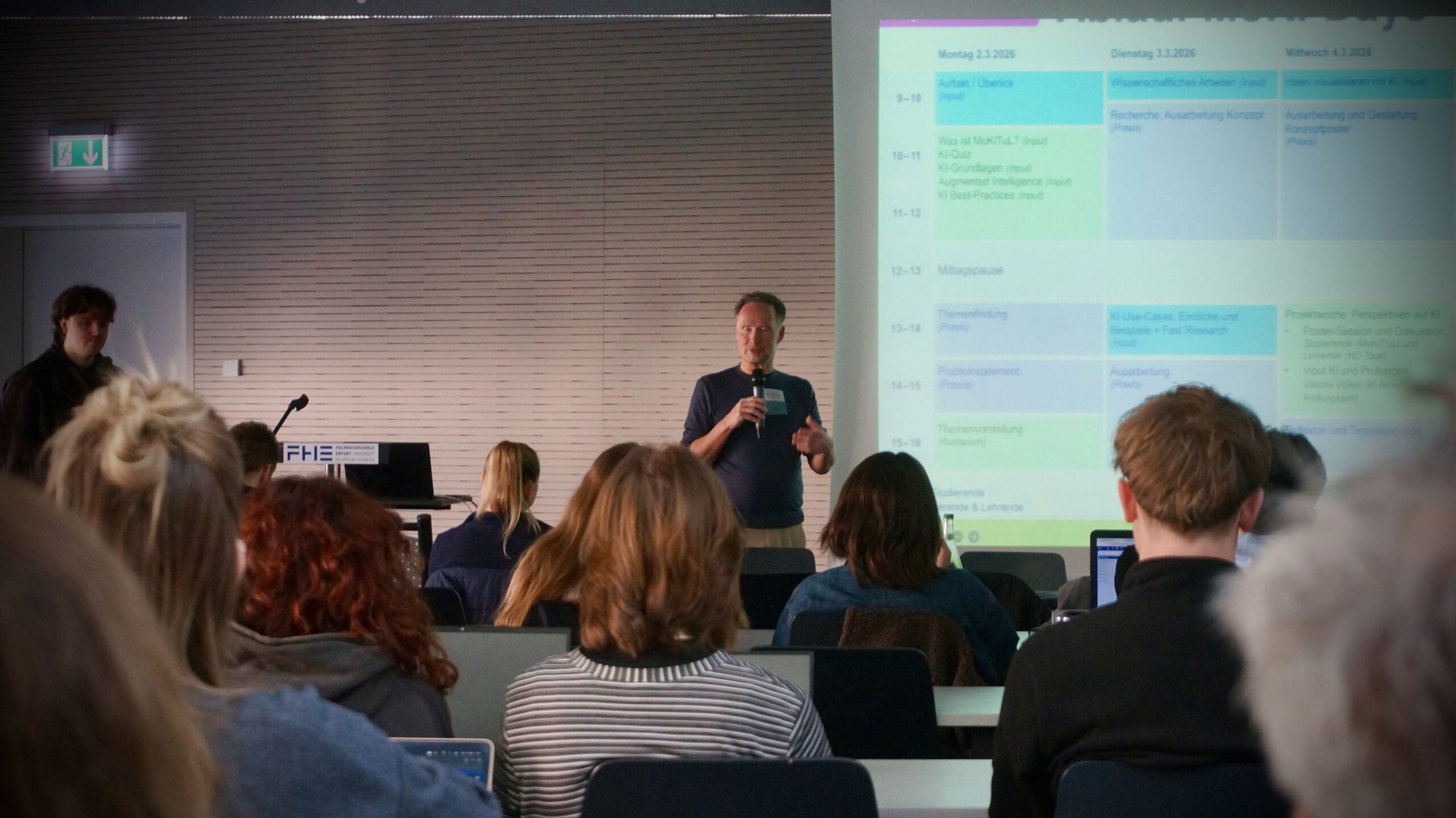
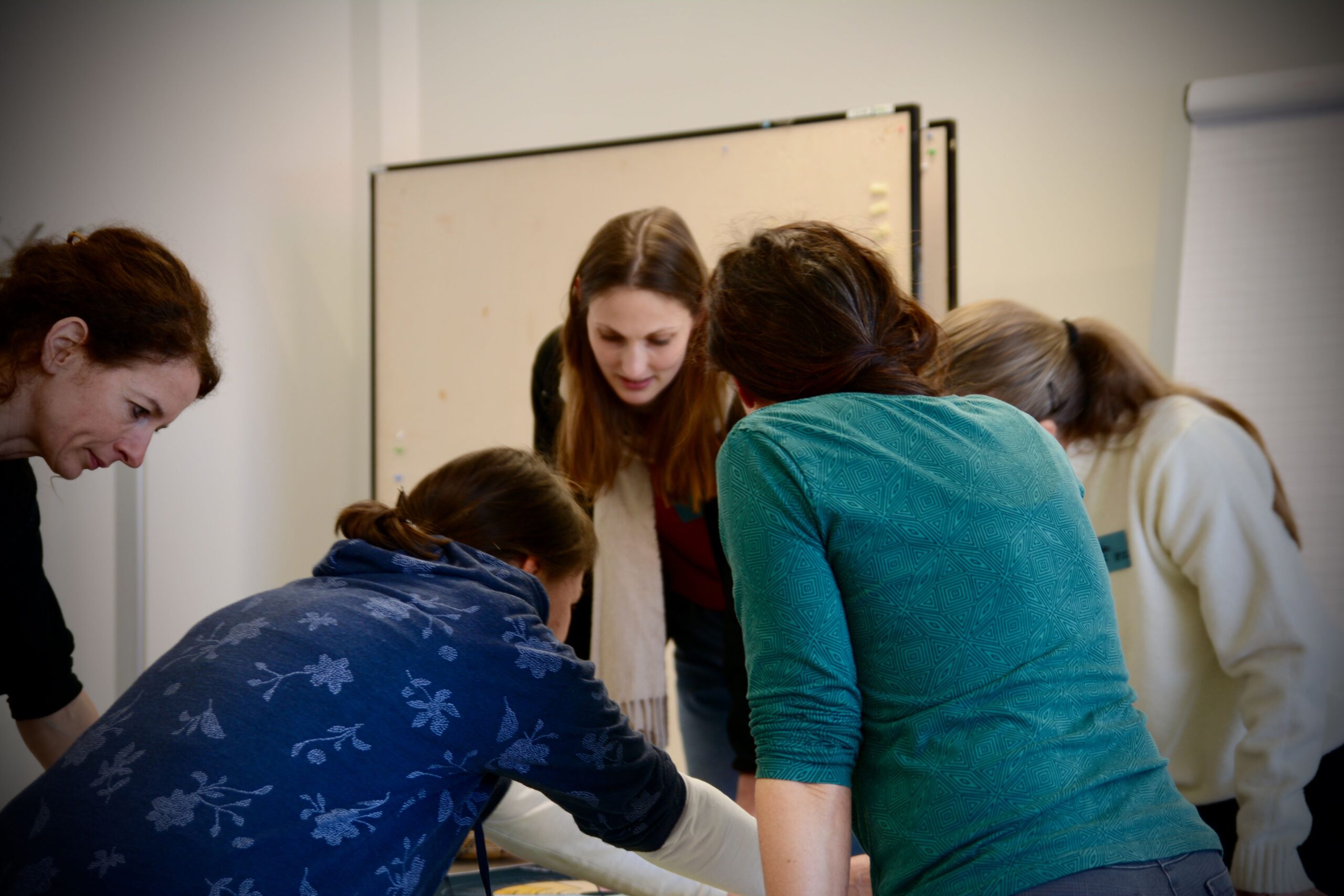
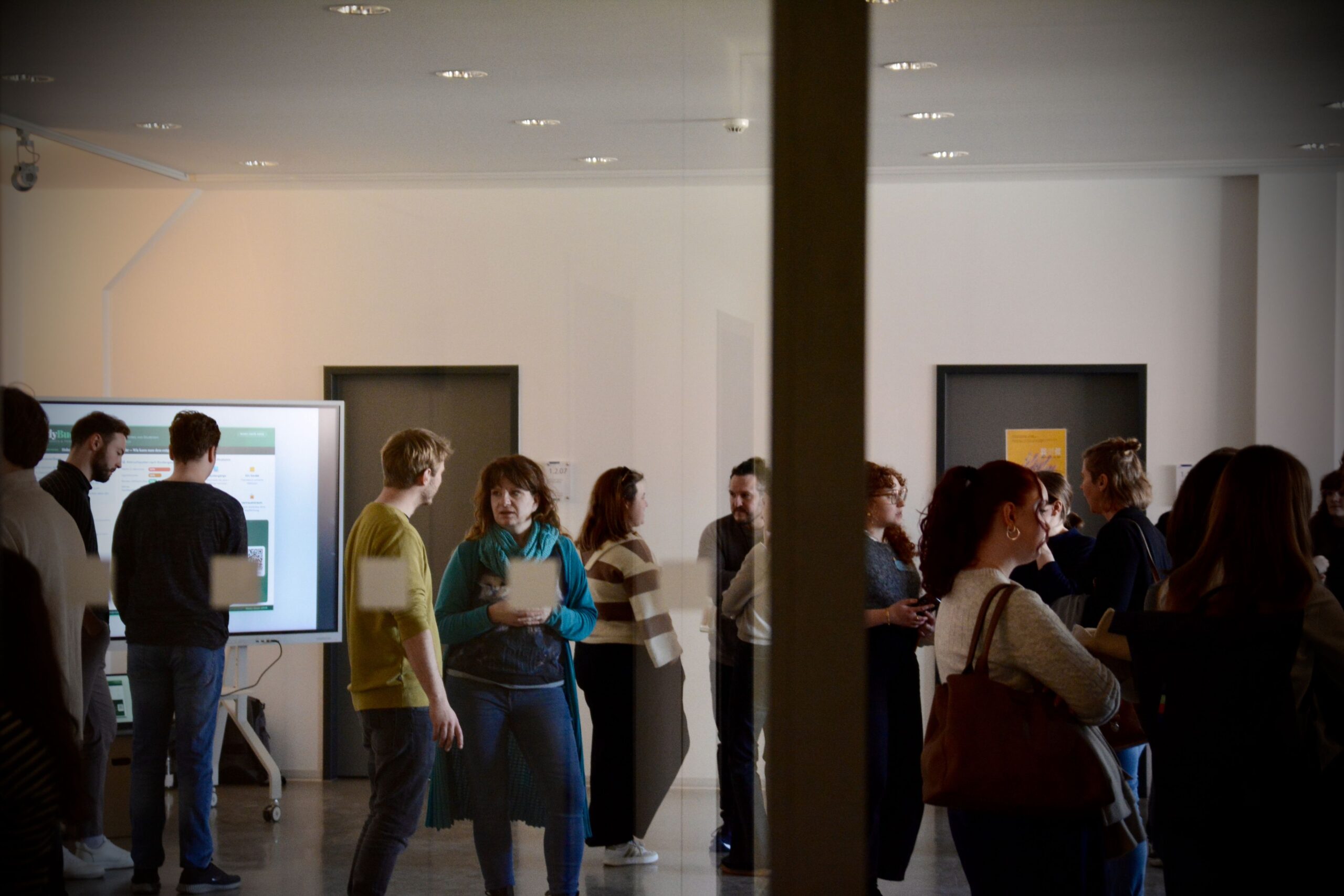
From 2 to 4 March 2026, the University Didactics Days at Erfurt University of Applied Sciences offered a varied and practical program for teachers who want to further develop their didactic skills. Organized by the Center for Quality (ZfQ), the focus was on current challenges and future issues in university teaching.
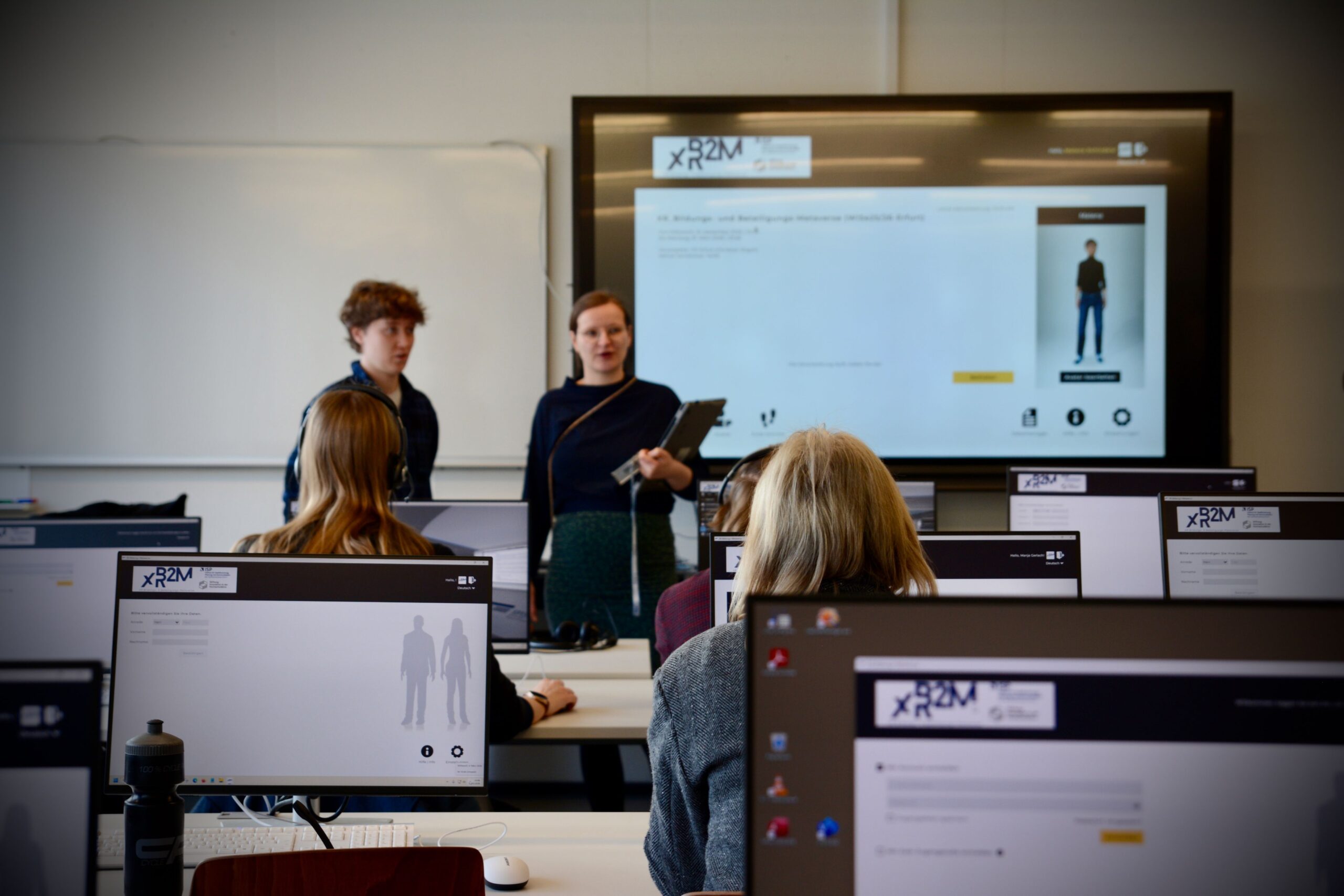
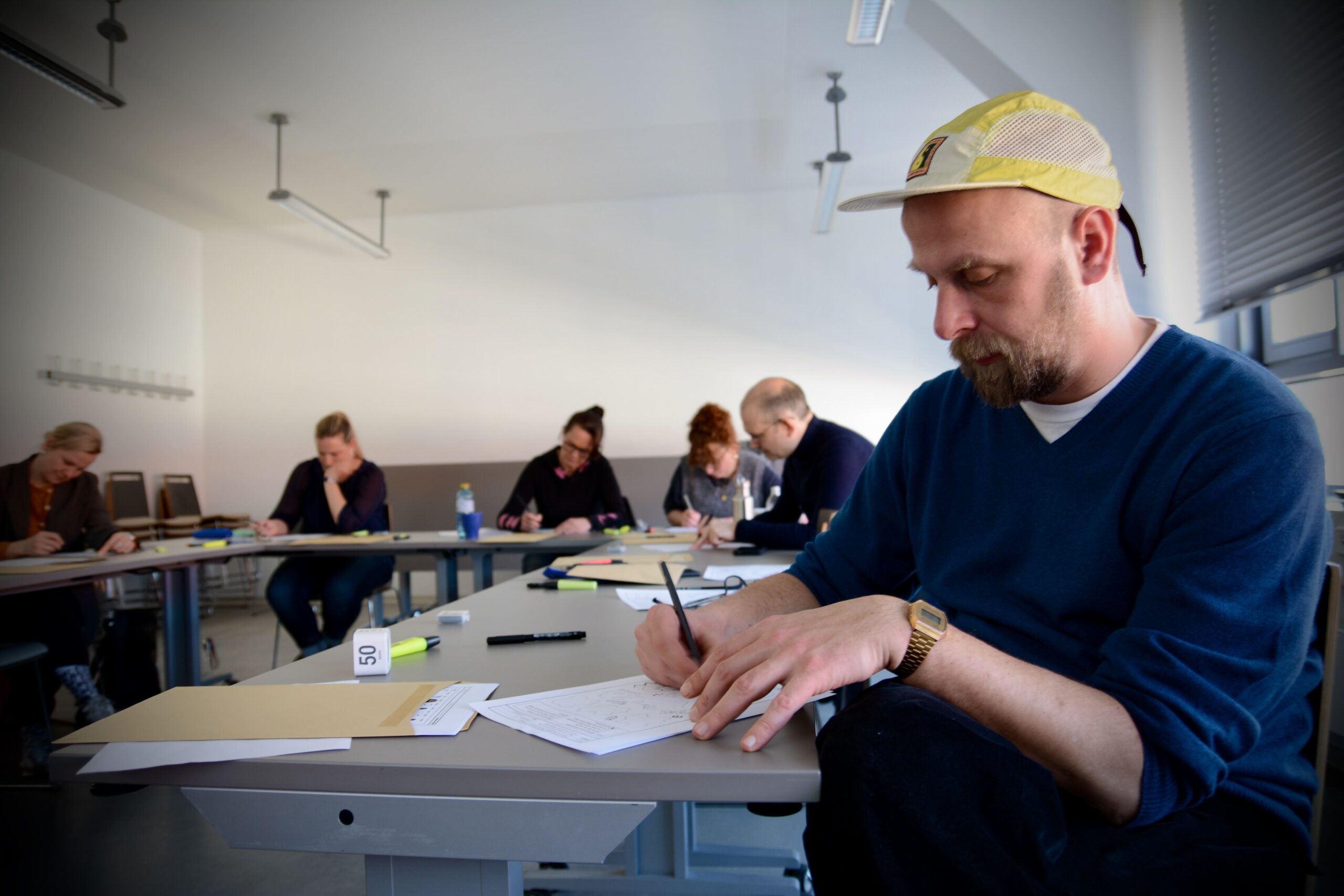
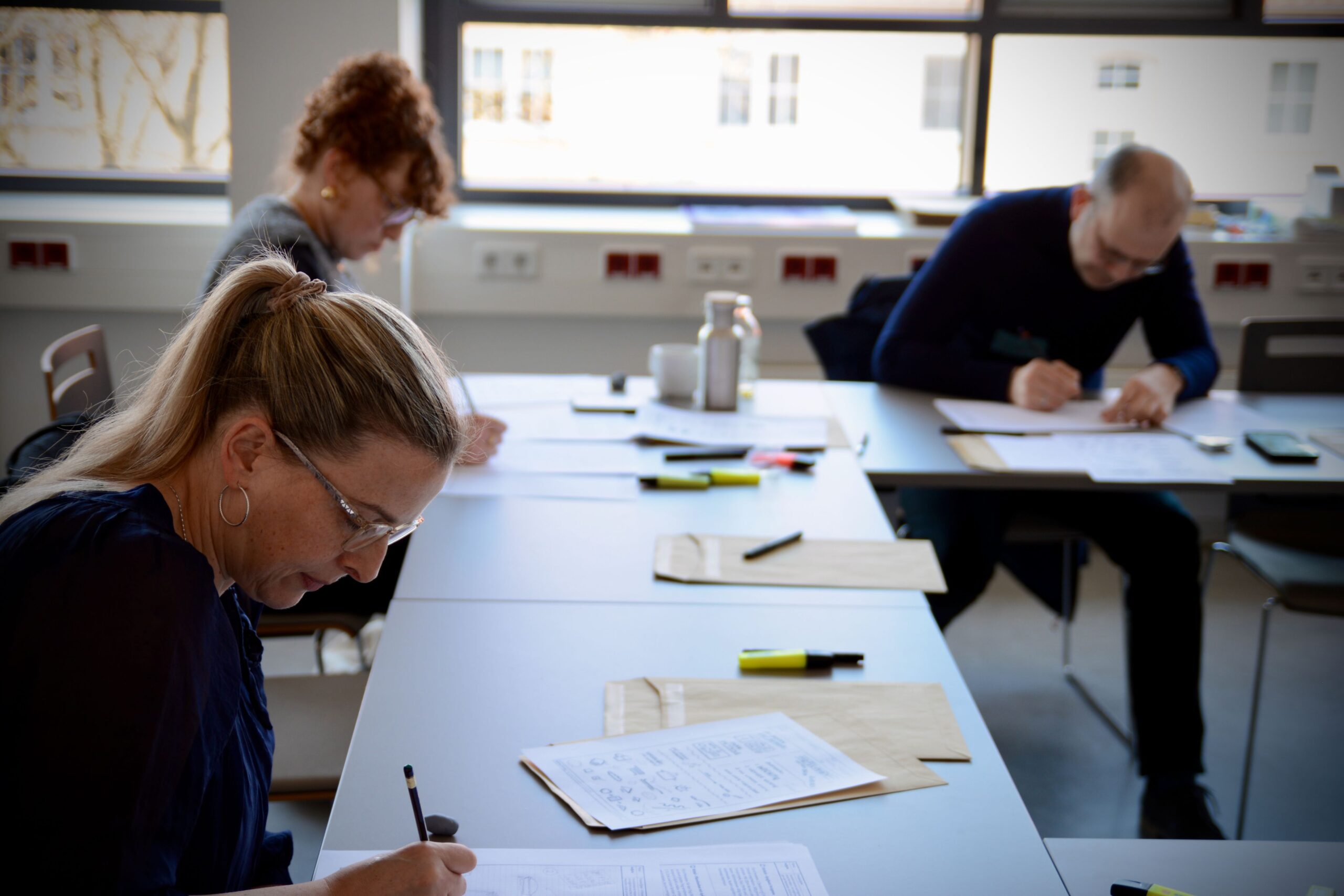
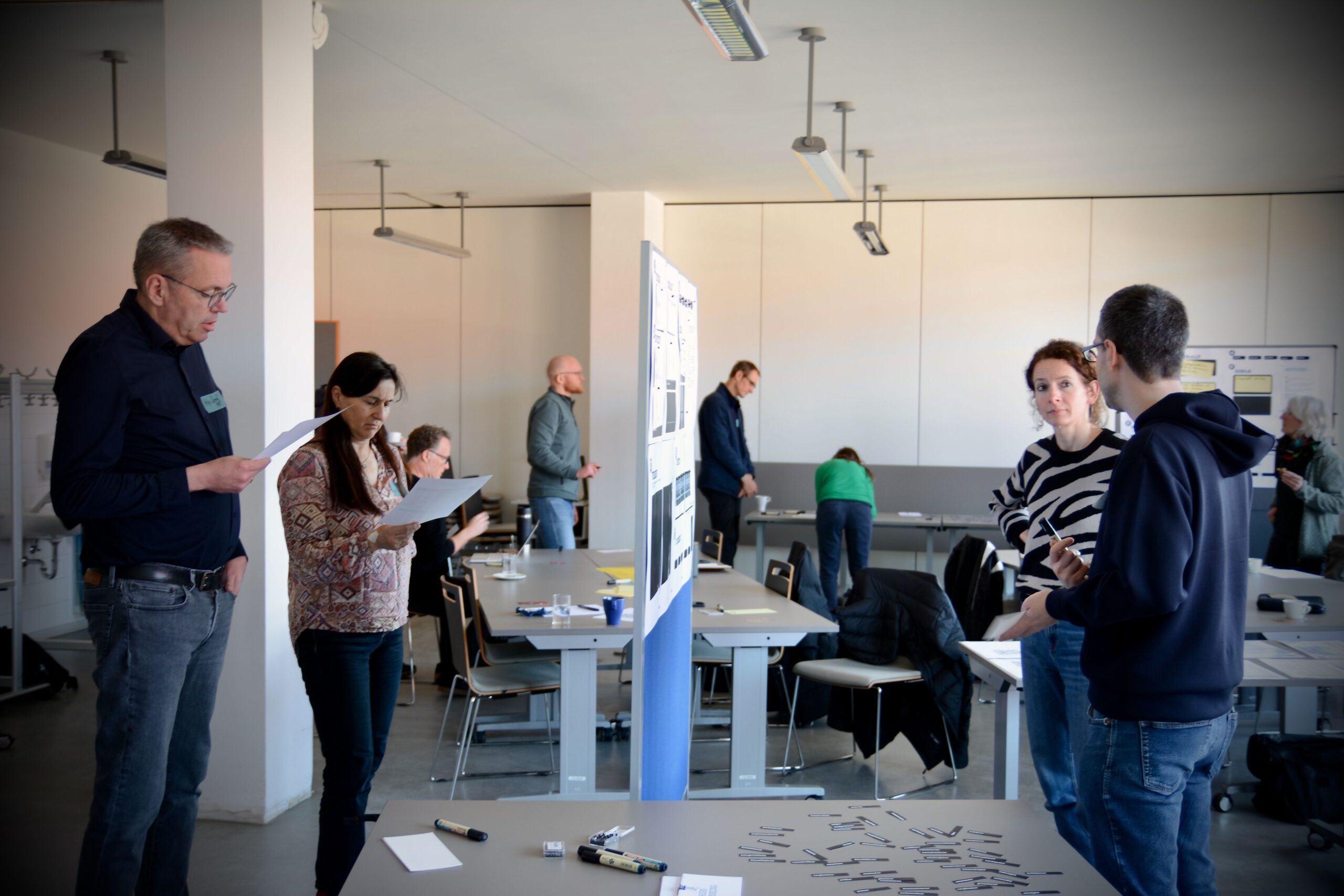
Topics such as diversity-sensitive teaching, effective feedback, sustainable higher education and the use of digital and AI-supported teaching formats were covered in workshops, keynote speeches, consultation hours and various exchange formats. Innovative approaches, such as immersive teaching-learning spaces and new visualization techniques, were also very well received. Around 50 lecturers from Erfurt University of Applied Sciences, Bauhaus-Universität Weimar, Nordhausen University of Applied Sciences and the University of Erfurt took the opportunity to try out new methods and develop concrete ideas for their own teaching.
The opening of the University Didactics Days to other Thuringian universities is particularly noteworthy. Especially for institutions without their own university didactic structures, such an offer is a welcome opportunity to gain access to current didactic developments, tried and tested methods and collegial exchange. The event thus makes an important contribution to strengthening the quality of teaching across institutional boundaries and promotes cross-university cooperation in the state.
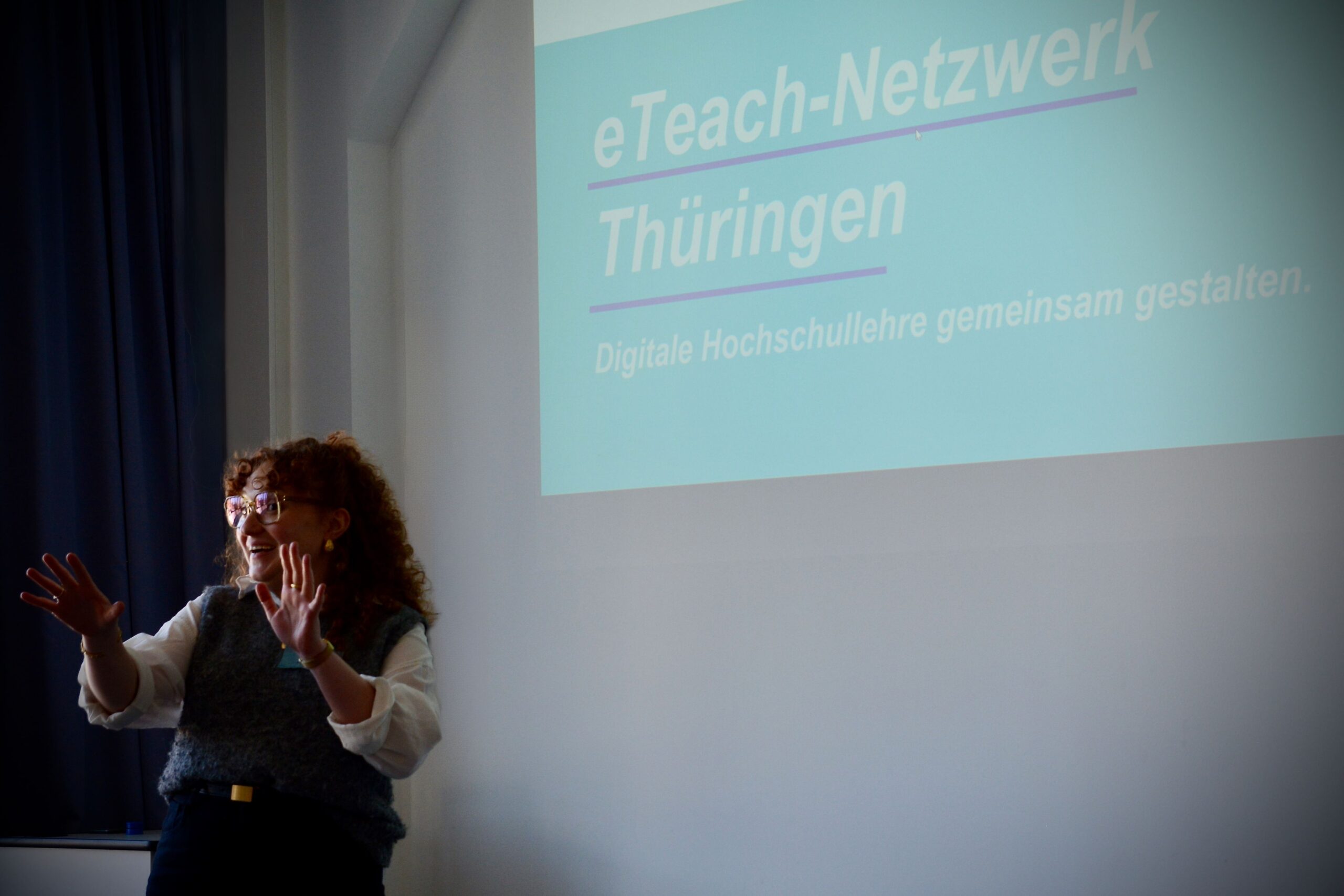
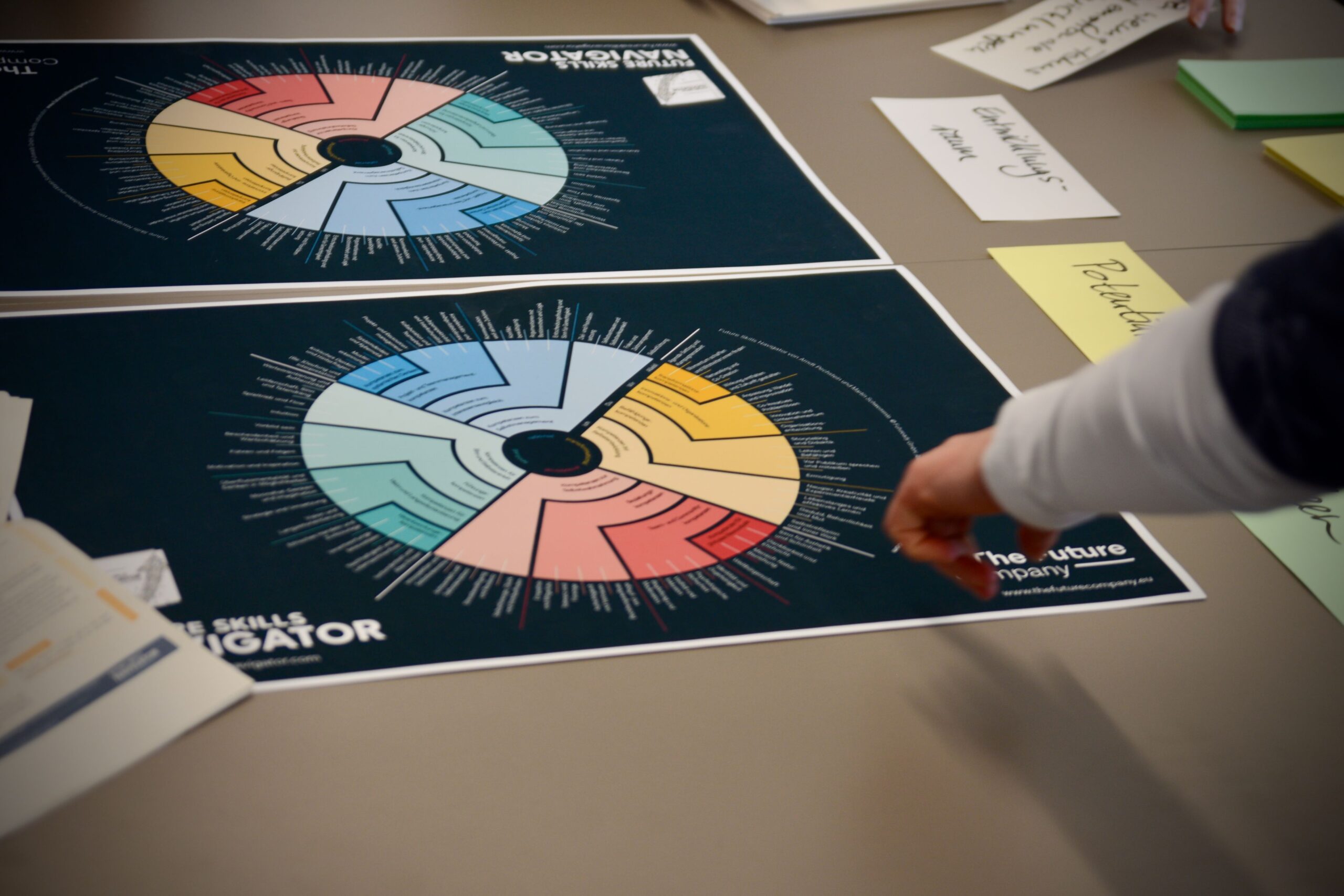
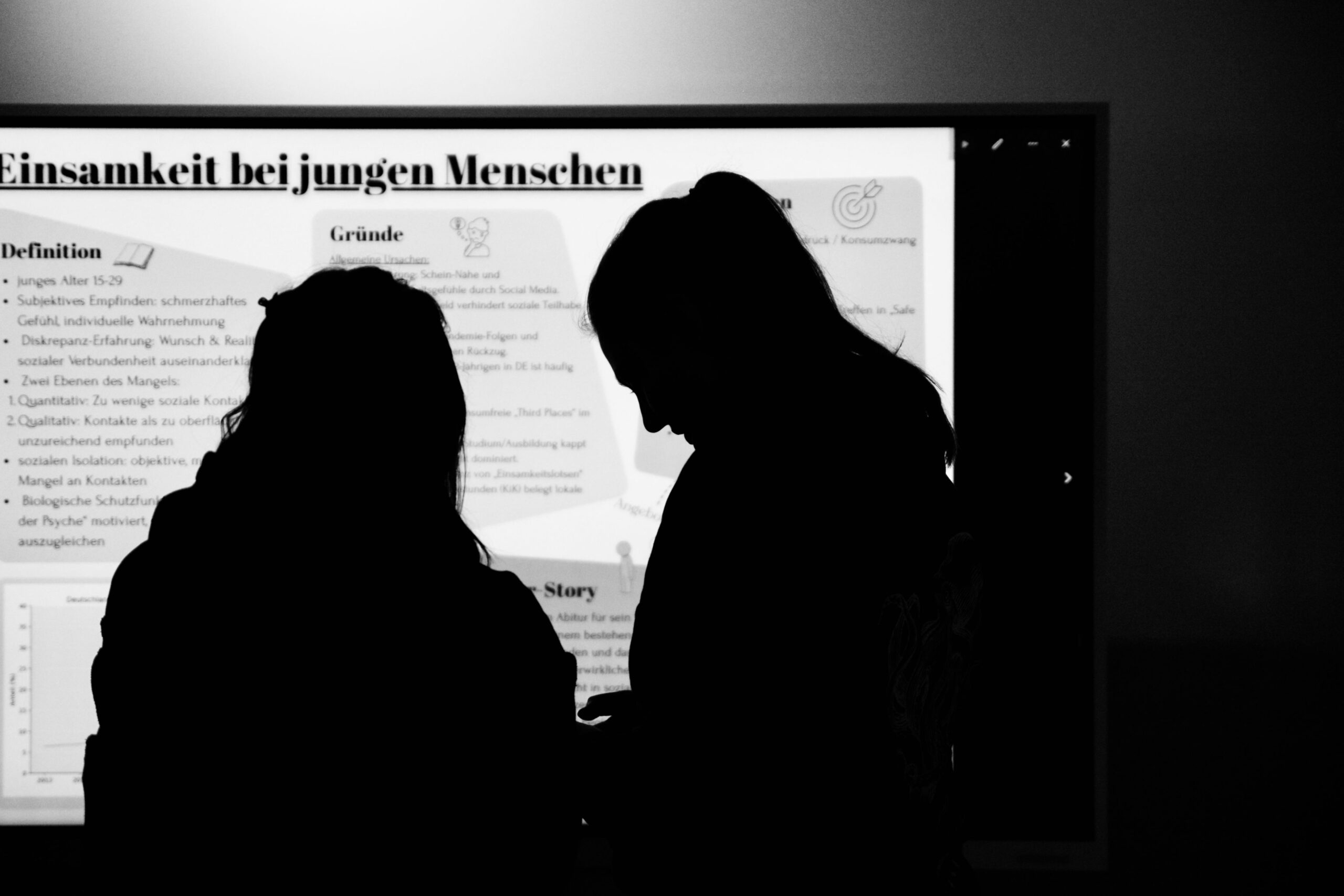
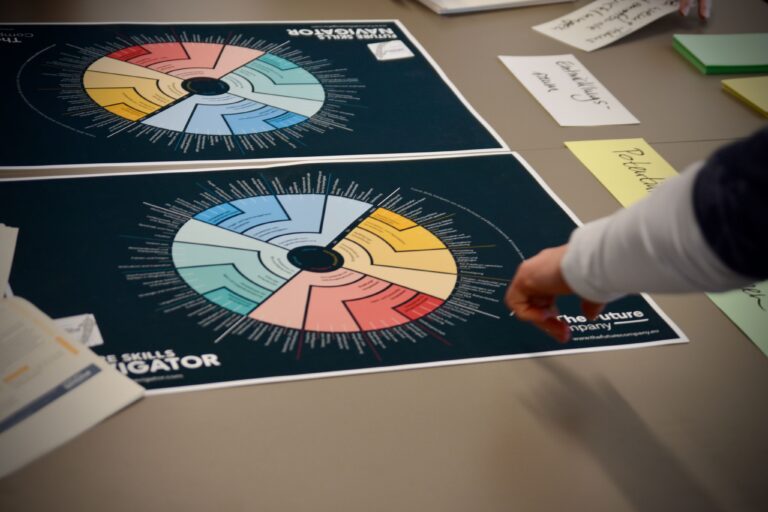
For the eTeach network, the University Didactics Days proved to be beneficial due to the networking opportunities with other didactics areas and impulses in the field of future skills. In addition, new questions arose around the topic of visualization in teaching: How do students read graphics? And what ways are there to create them? Dealing with such questions makes it clear that visual literacy - i.e. the ability to understand and design visual information - is more important than ever in the age of AI.
The influence of AI on teaching preparation was a cross-cutting theme running through many program items. Teachers are increasingly faced with the challenge of finding suitable application scenarios for AI tools, critically reflecting on their results and developing new examination and task formats at the same time. AI is not only changing tools, but also fundamental didactic questions: What does independent performance mean? How can learning processes be meaningfully accompanied? And how can quality be ensured in an increasingly automated knowledge production process?
Another recurring idea was to see teaching as an open and curiosity-driven process. Teachers were encouraged to be open to experimentation, to try out new media approaches and to consciously incorporate analog, hands-on approaches. Playful elements and creative formats can help to make learning processes more sustainable and motivating.
Overall, the University Didactics Days impressively demonstrated how important exchange, openness and innovation are for sustainable university teaching. They not only provided concrete tools for everyday teaching, but also strengthened cross-university networking in Thuringia, which is a decisive factor in meeting the current and future challenges of teaching together.
Photos: Michael Schinköthe